Shop Firm 20-30 mmHg Compression Online
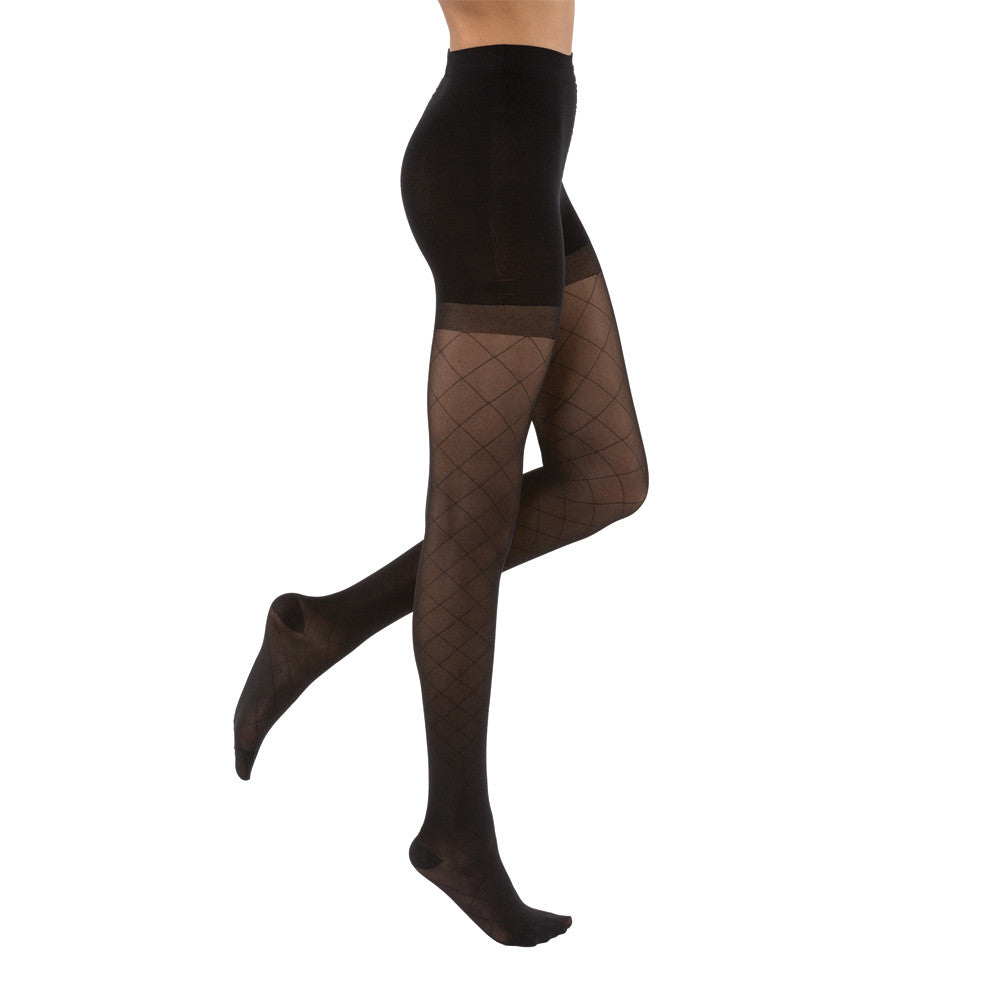
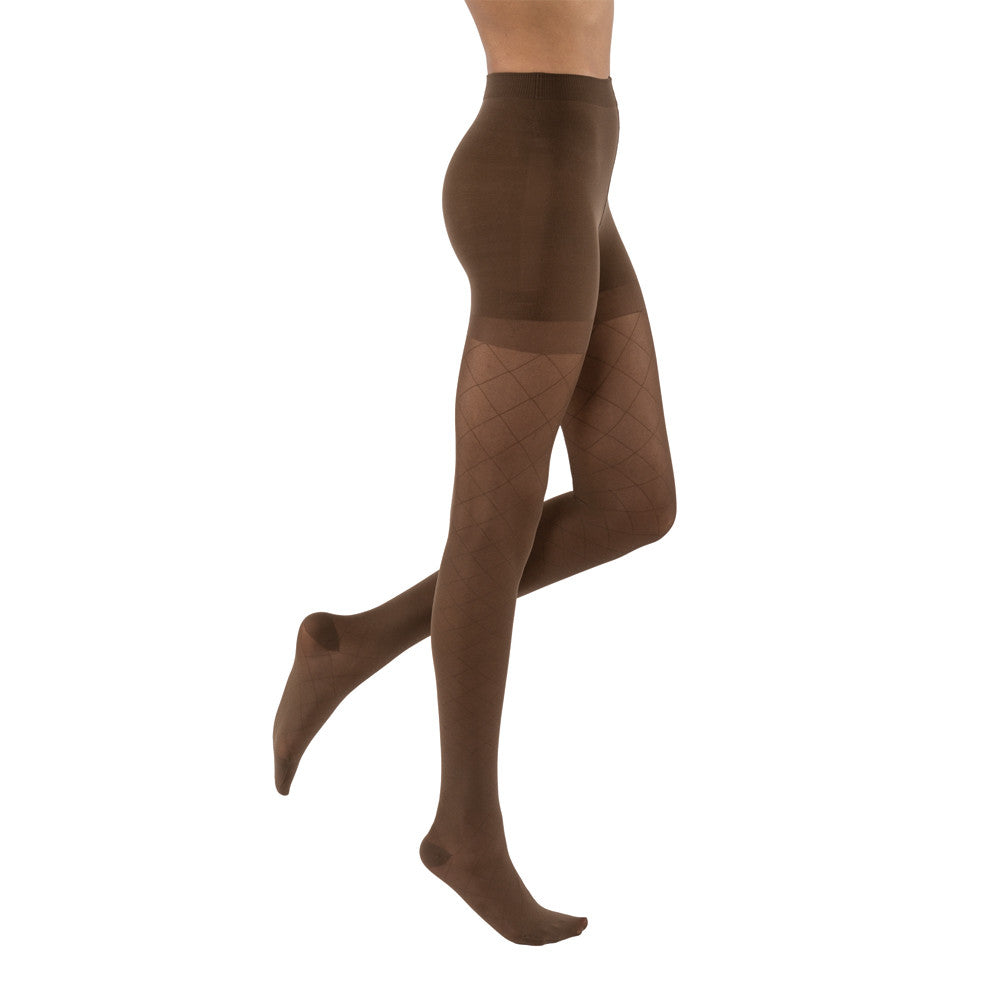
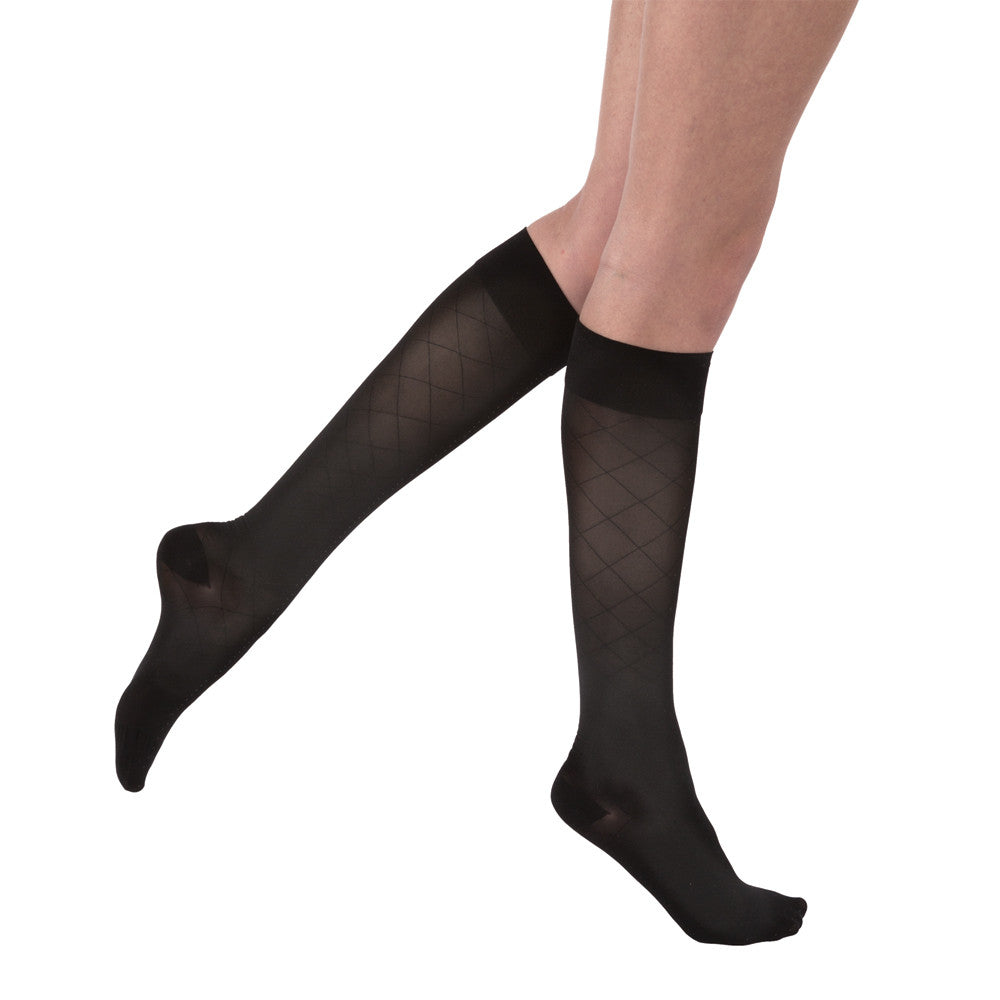
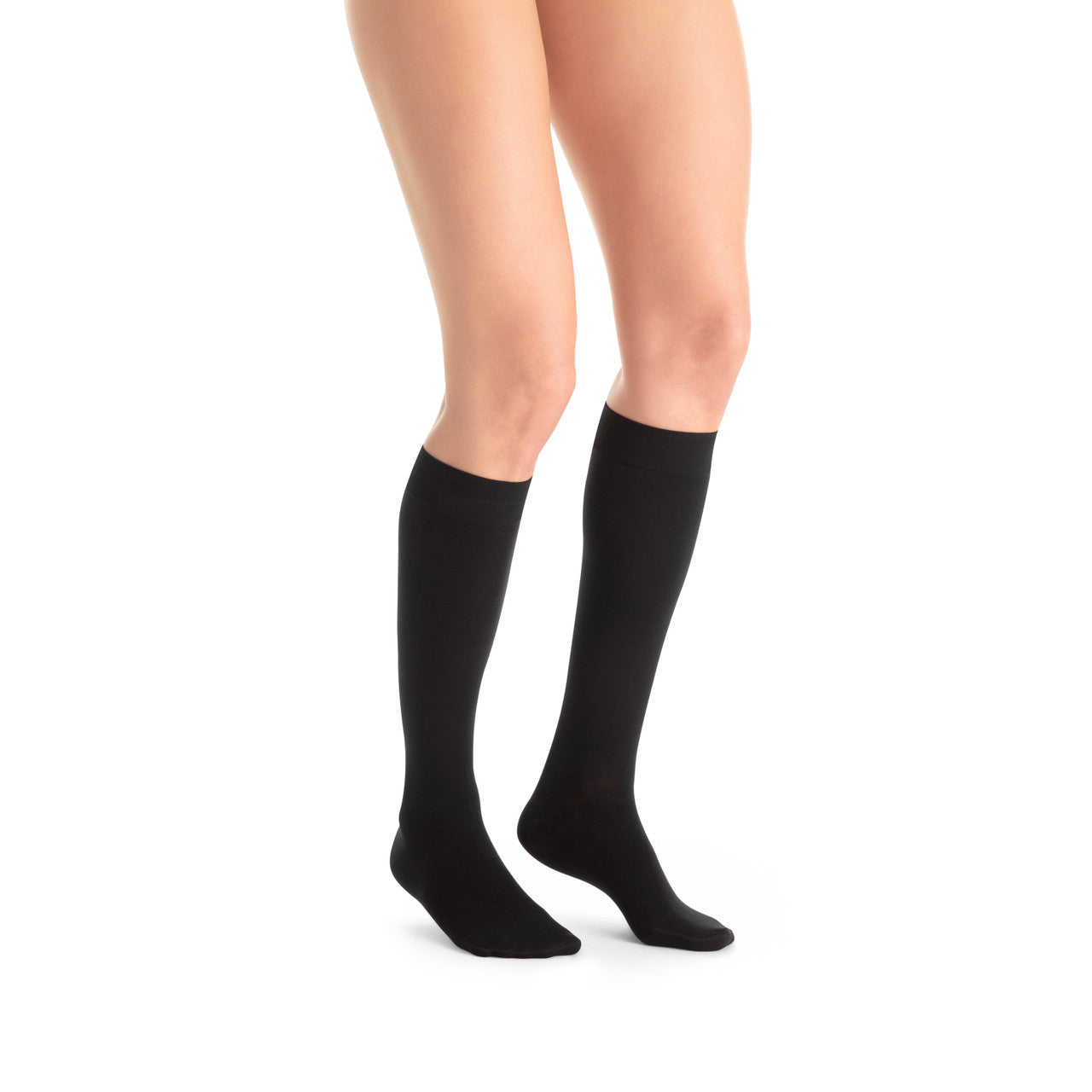
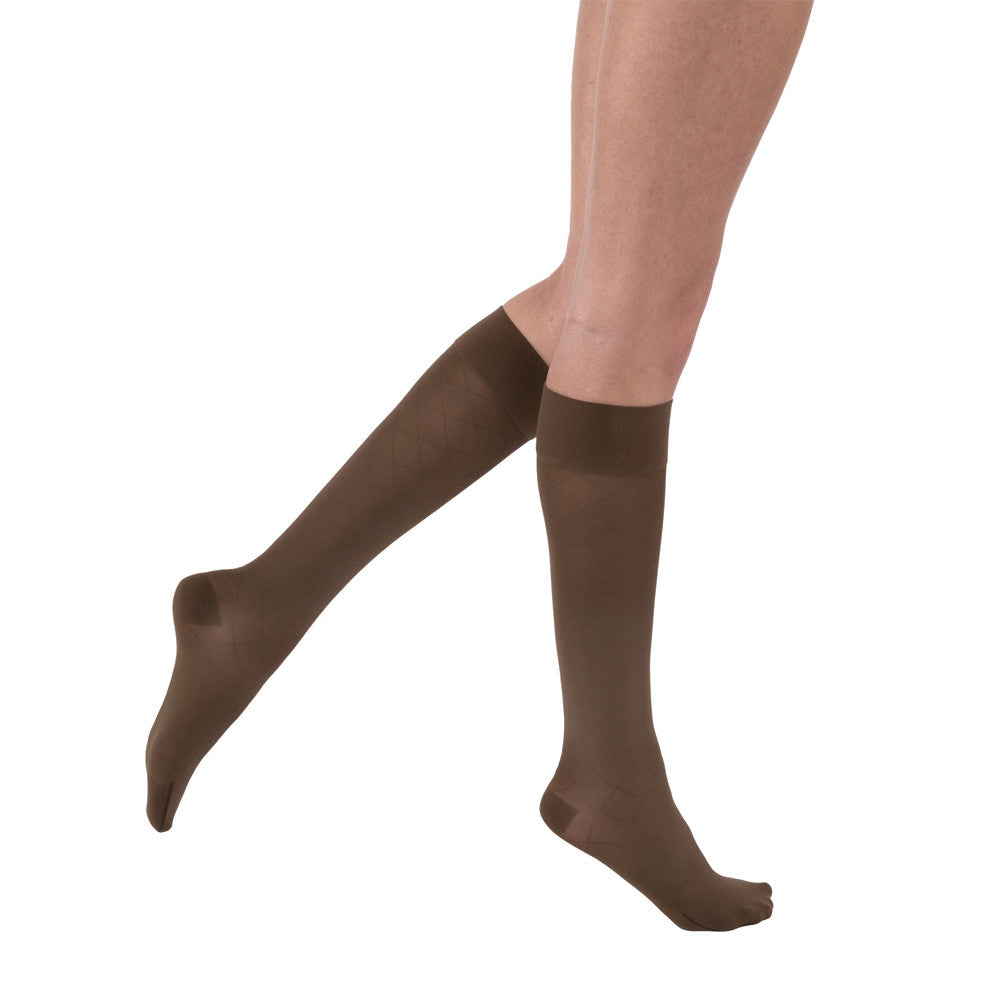
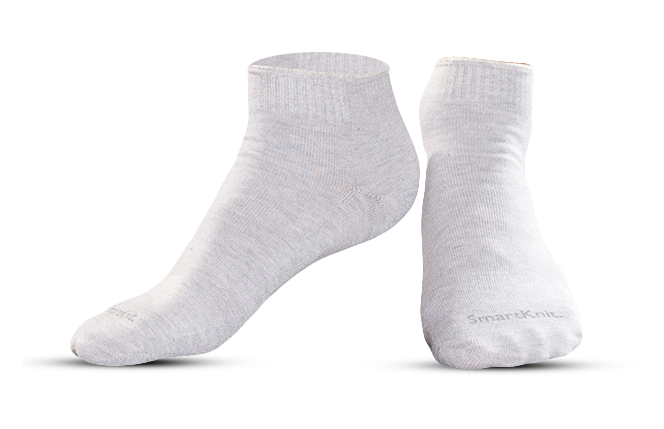
Firm compression socks at the 20-30 mmHg level represent the most commonly prescribed medical-grade compression for managing a wide range of venous and lymphatic conditions. Our collection of 20-30 mmhg compression socks from industry-leading brands like Jobst, Juzo, Mediven, CircAid, and Sigvaris delivers therapeutic graduated compression that effectively treats moderate to severe varicose veins, edema, and post-surgical swelling. These firm compression stockings combine clinical efficacy with modern styling, offering you the medical support you need without compromising on comfort or appearance throughout your daily activities.
For what conditions is 20-30 mmHg compression most effective?
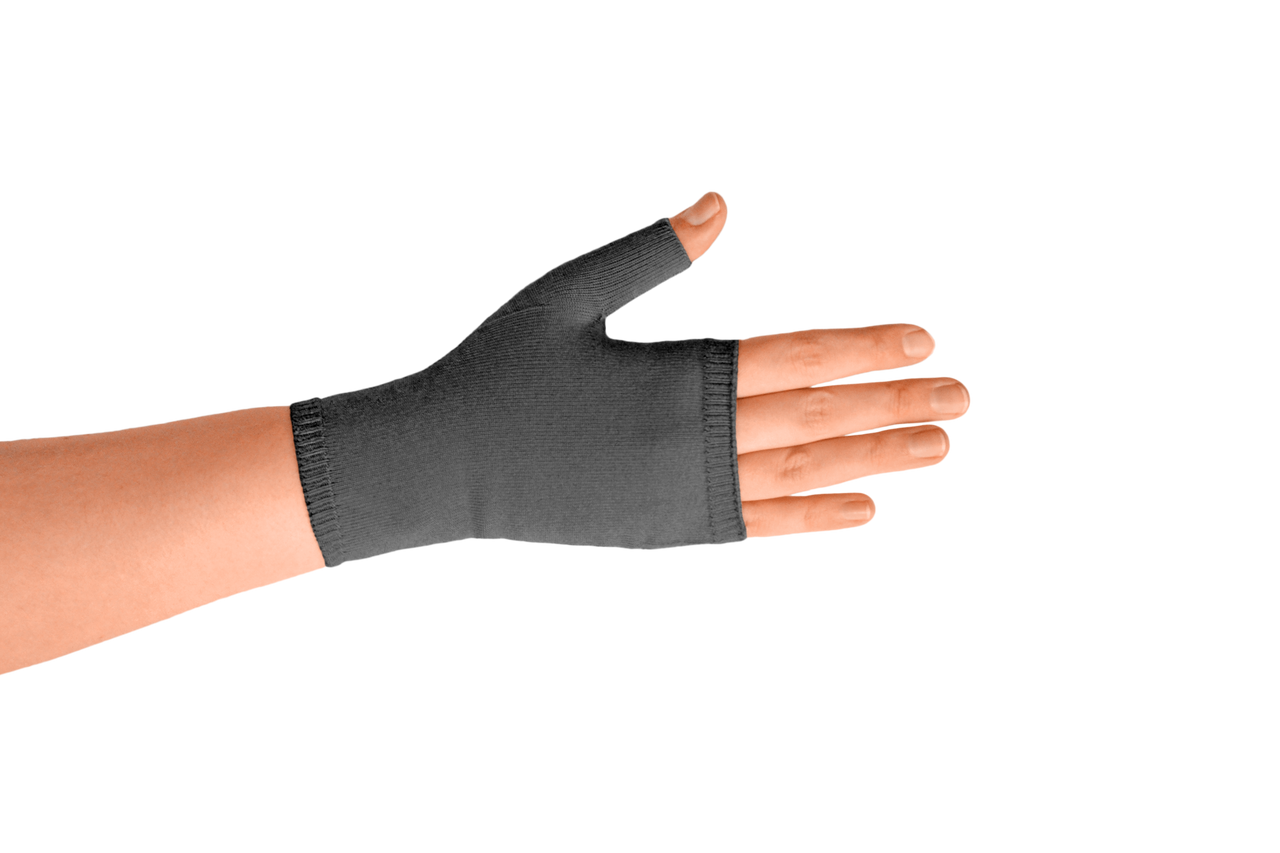
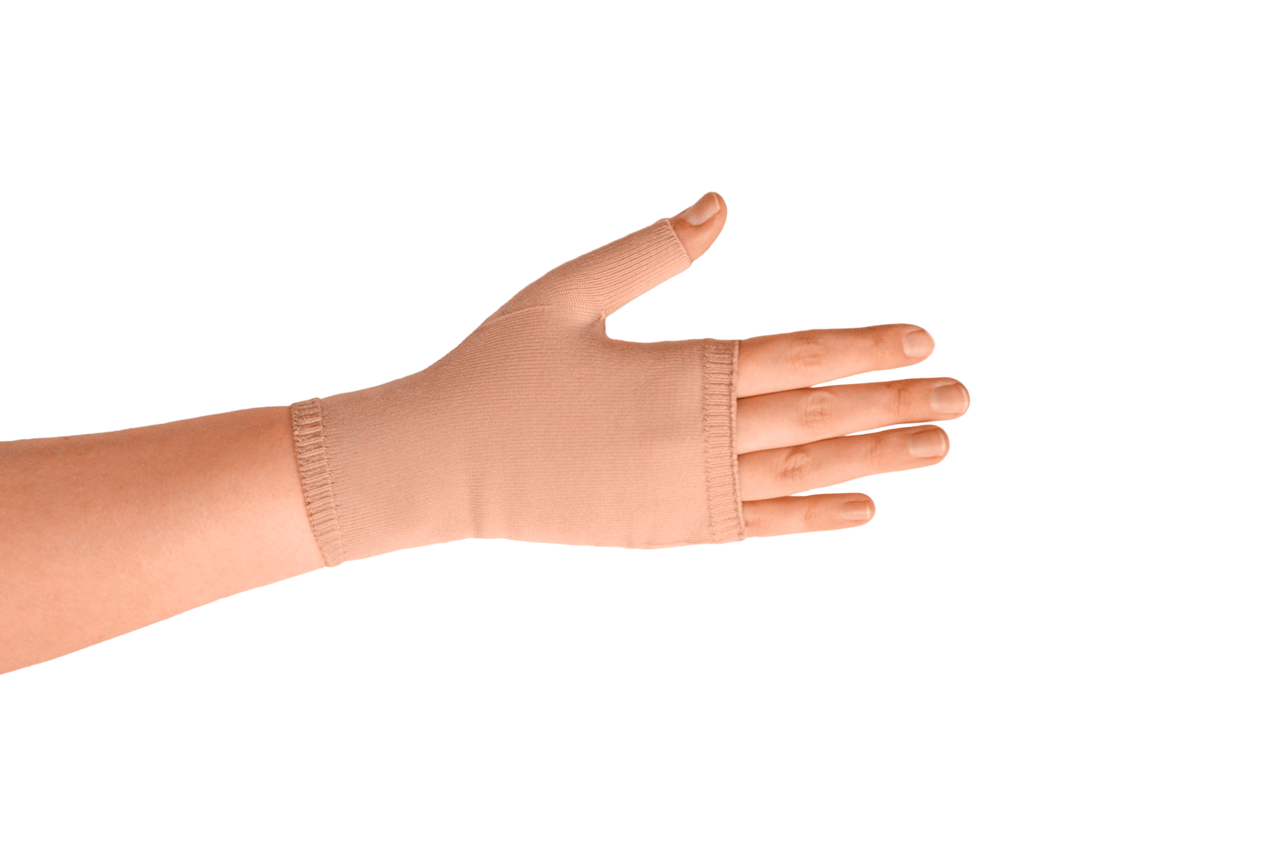
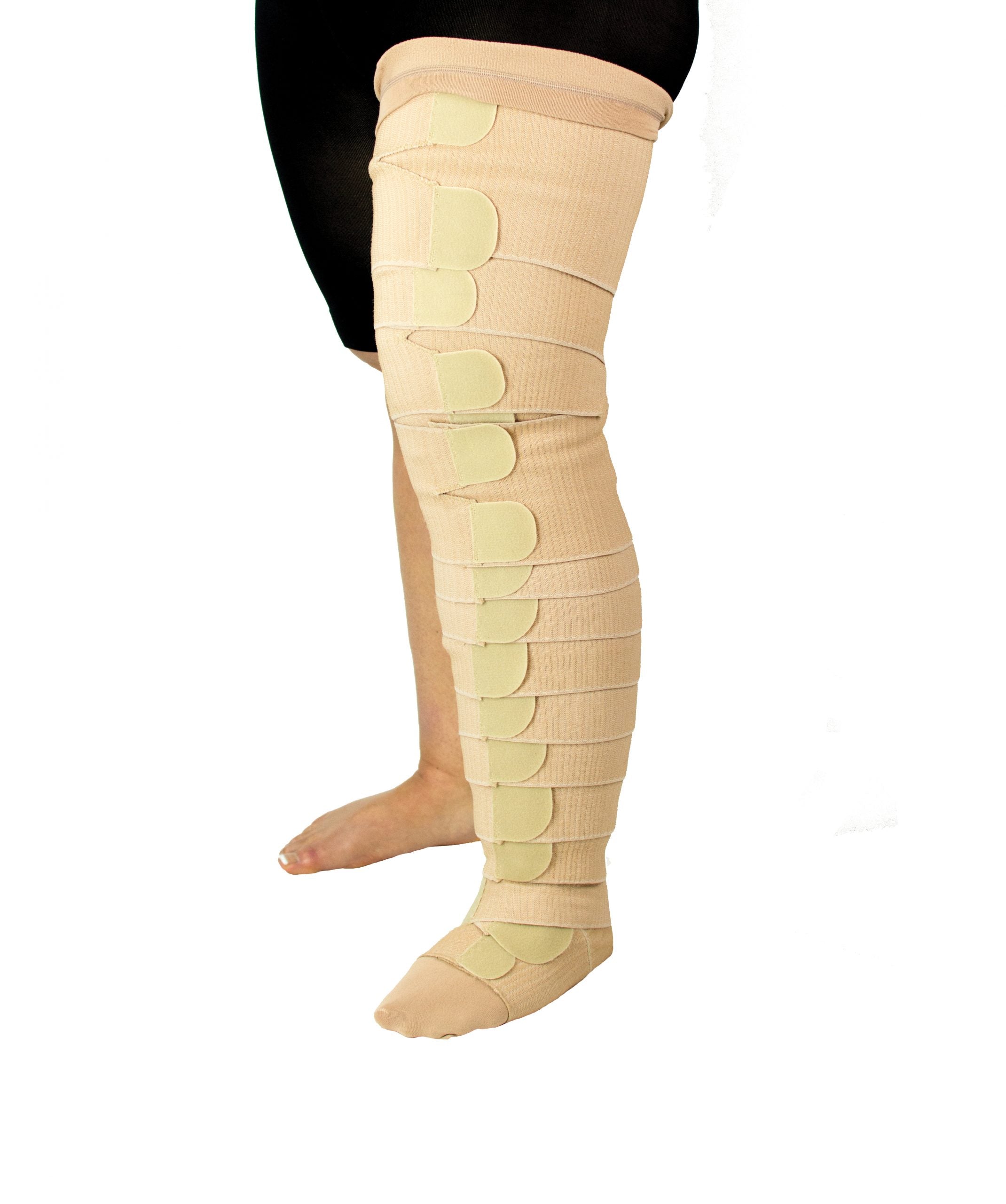
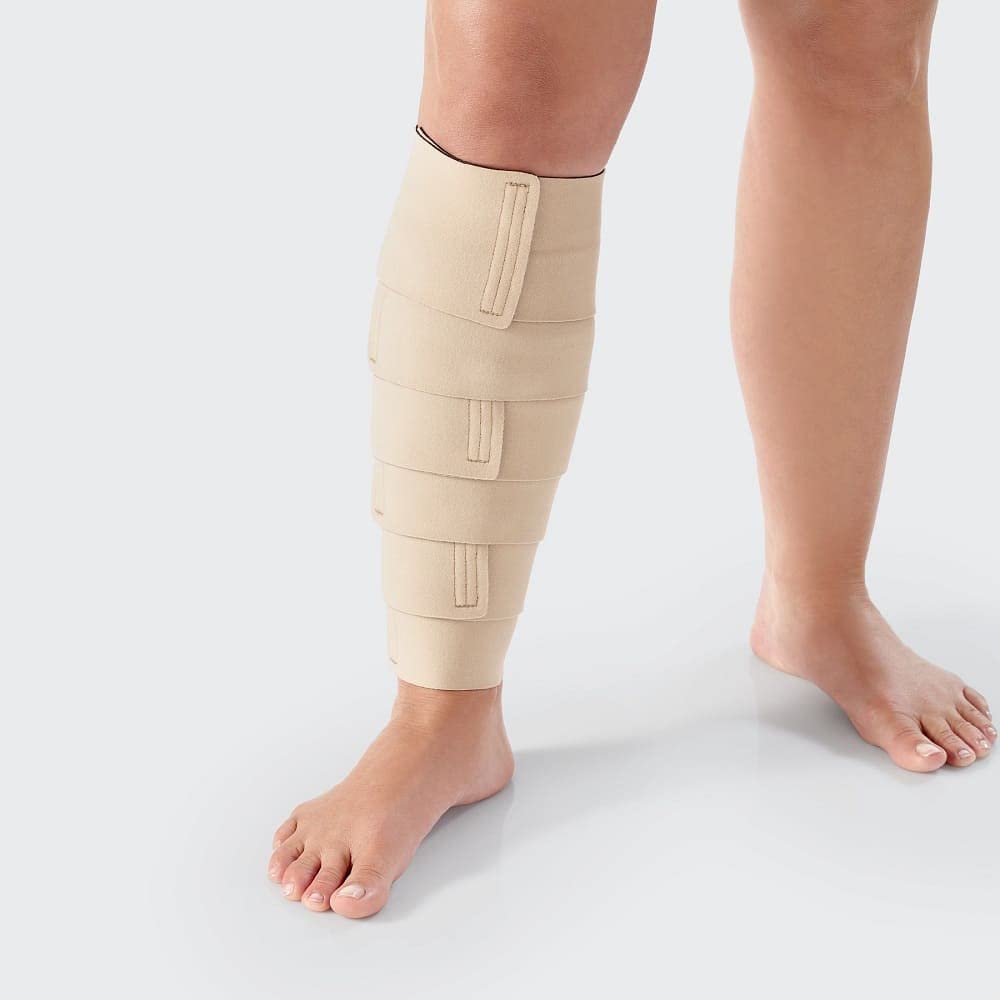
Firm 20-30 mmHg compression is most effective for moderate varicose veins, chronic venous insufficiency, post-sclerotherapy treatment, moderate edema, and DVT prevention during extended periods of immobility. This compression level is also frequently prescribed for managing orthostatic hypotension, preventing venous leg ulcer recurrence, and supporting lymphatic function in early-stage lymphedema with products like lymphedema sleeves. Brands like Jobst and Sigvaris engineer their 20-30 mmhg compression socks with precise graduated compression profiles that provide maximum pressure at the ankle, gradually decreasing up the leg to promote healthy circulation and reduce venous pooling effectively.
Can I wear 20-30 mmHg compression socks for flying or travel?
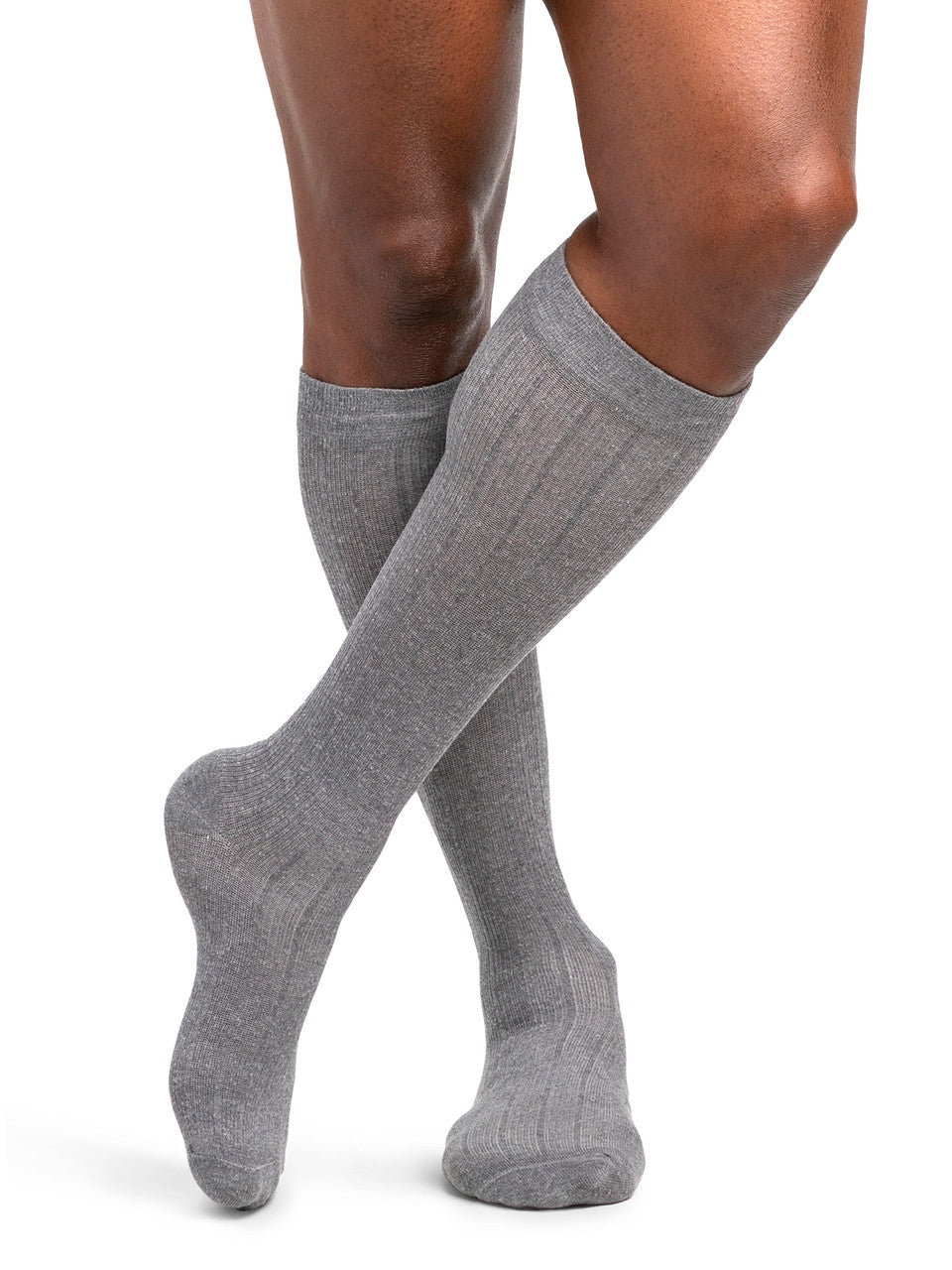
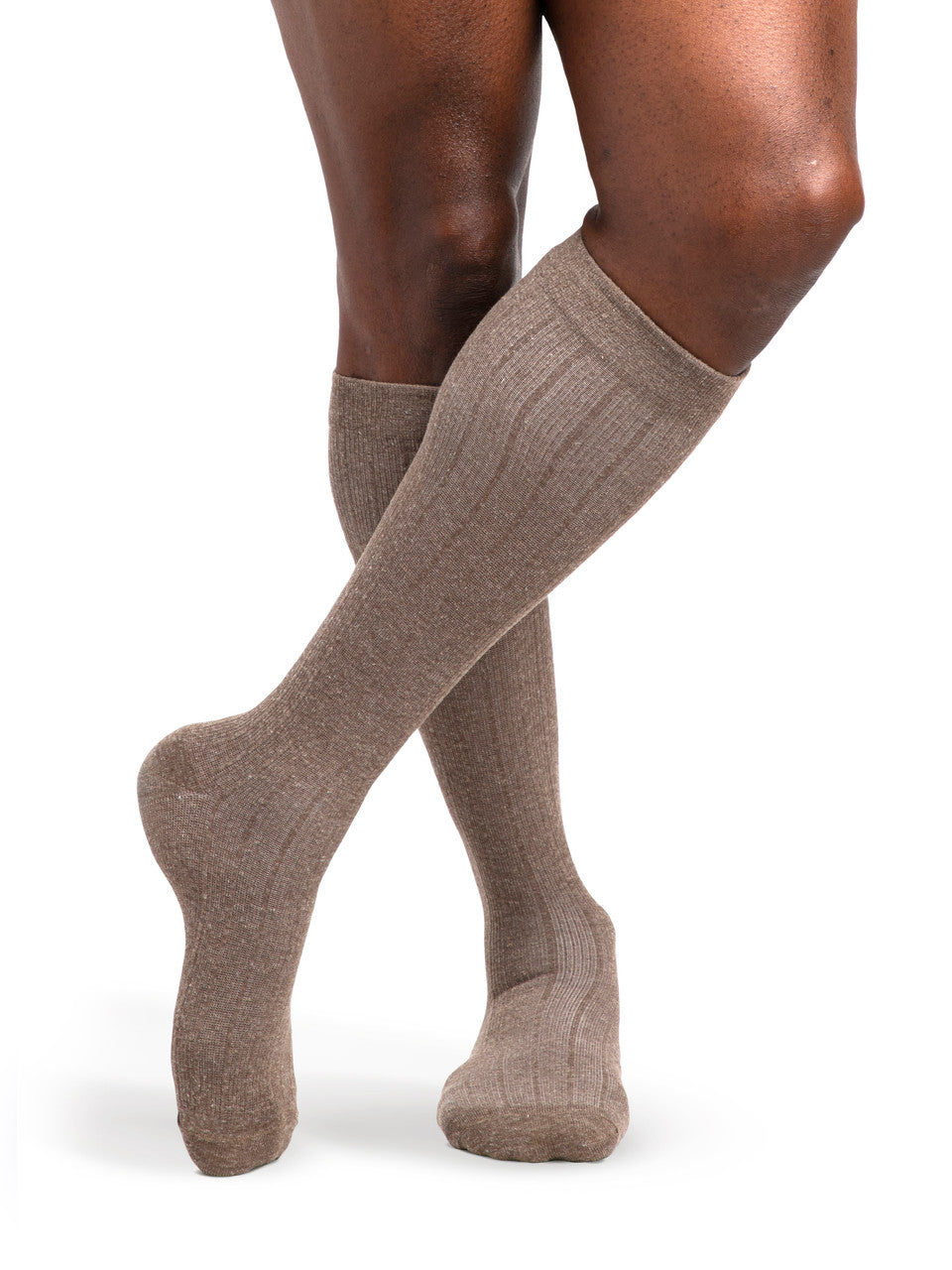
Yes, firm 20-30 mmHg compression socks are excellent for flying and long-distance trips, particularly if you have existing venous conditions or risk factors for blood clots. While travelers without medical conditions often use lighter 15-20 mmHg compression, those with varicose veins, previous DVT, or significant swelling benefit from the stronger support that 20-30 mmhg compression socks provide during prolonged sitting. Mediven and CircAid offer travel-friendly firm compression stockings in knee-high styles that fit comfortably under regular clothing, making them practical for flights while delivering the medical-grade protection your circulation needs.
How do I choose the right size for a 20-30 mmHg compression stocking?
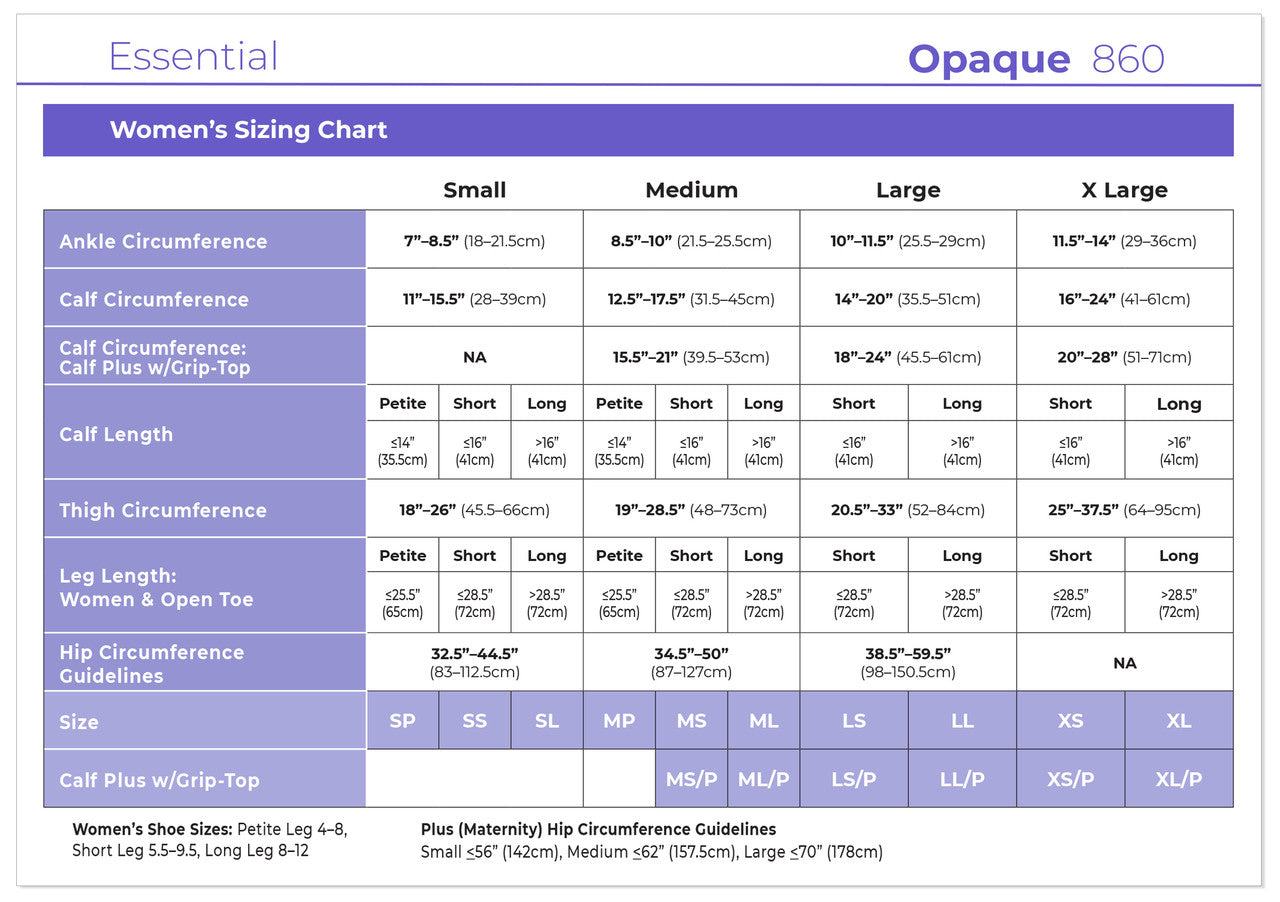
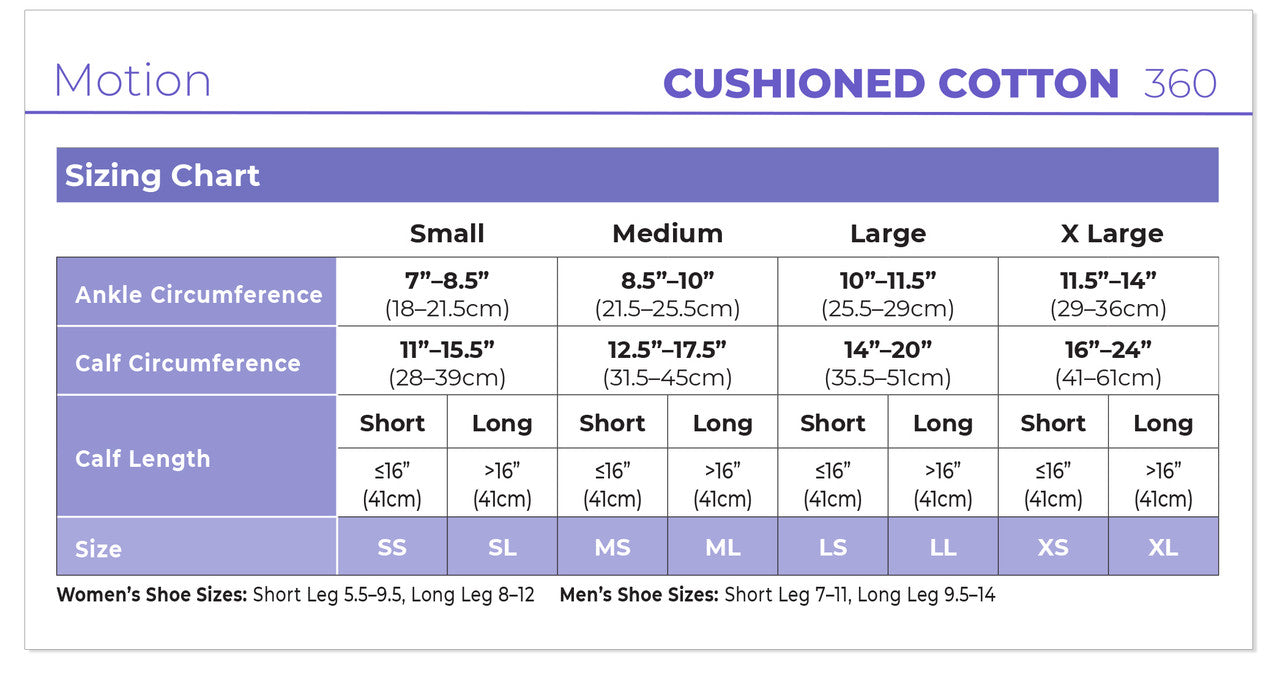
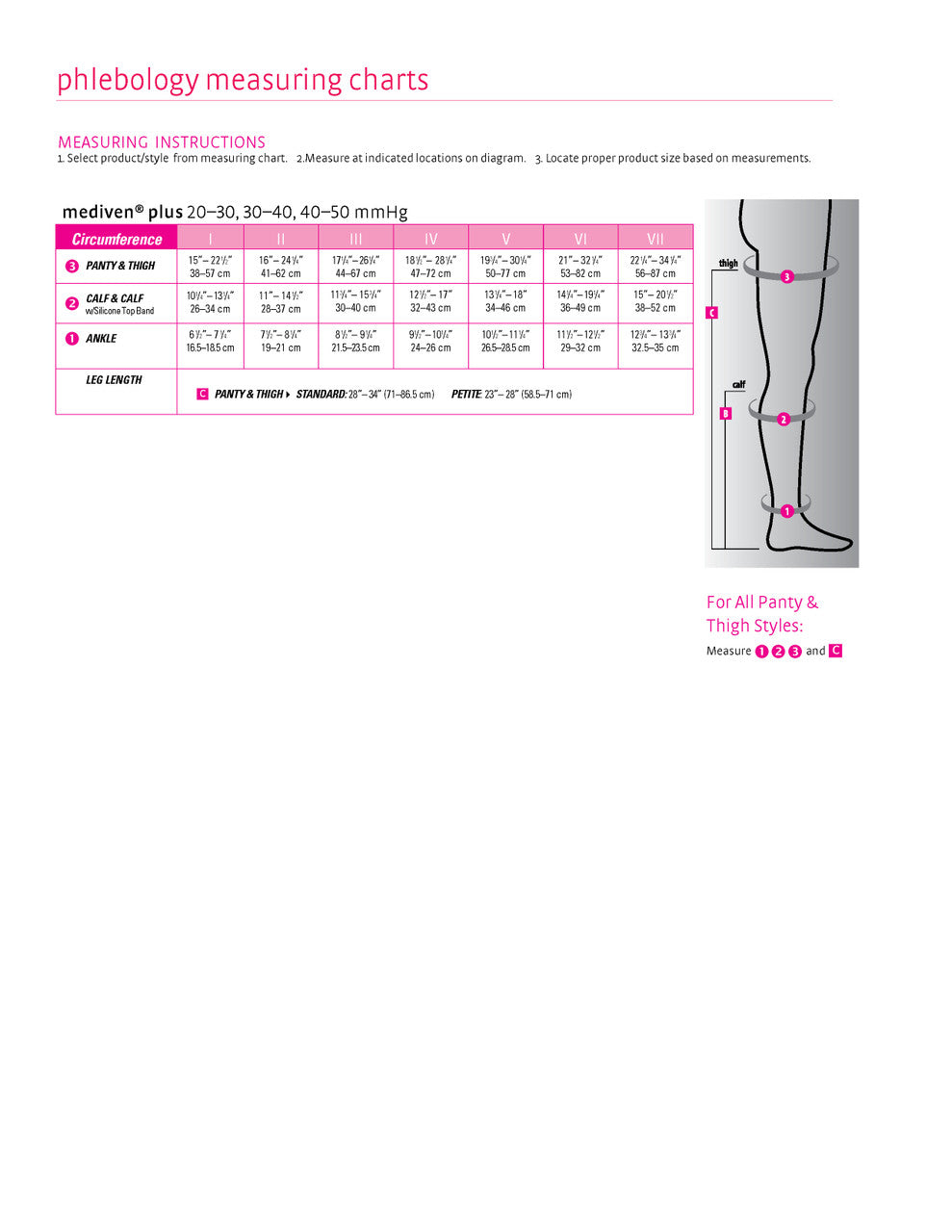
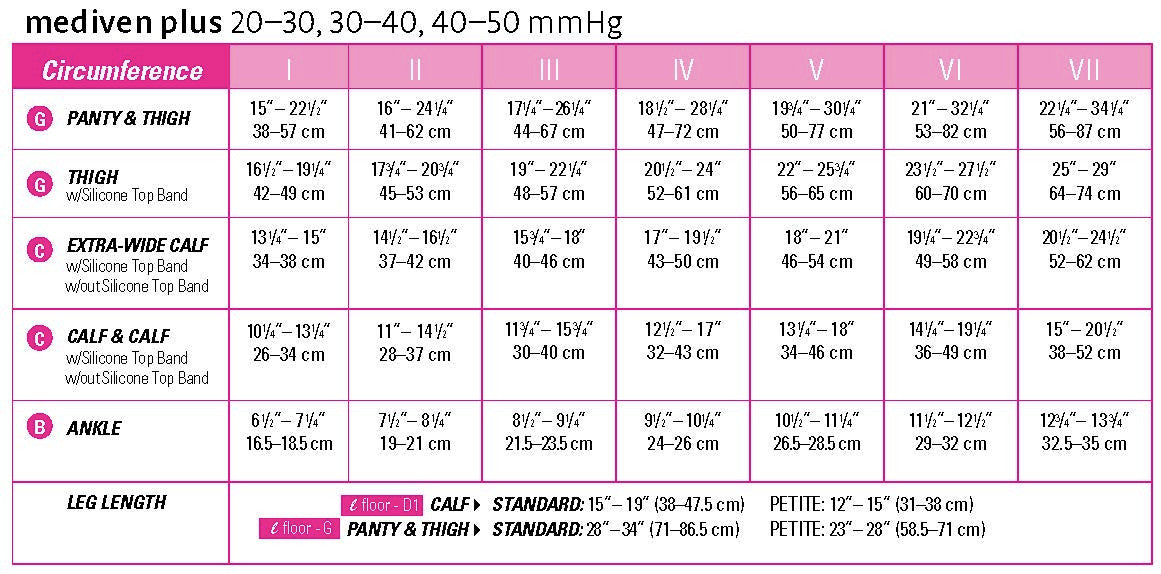
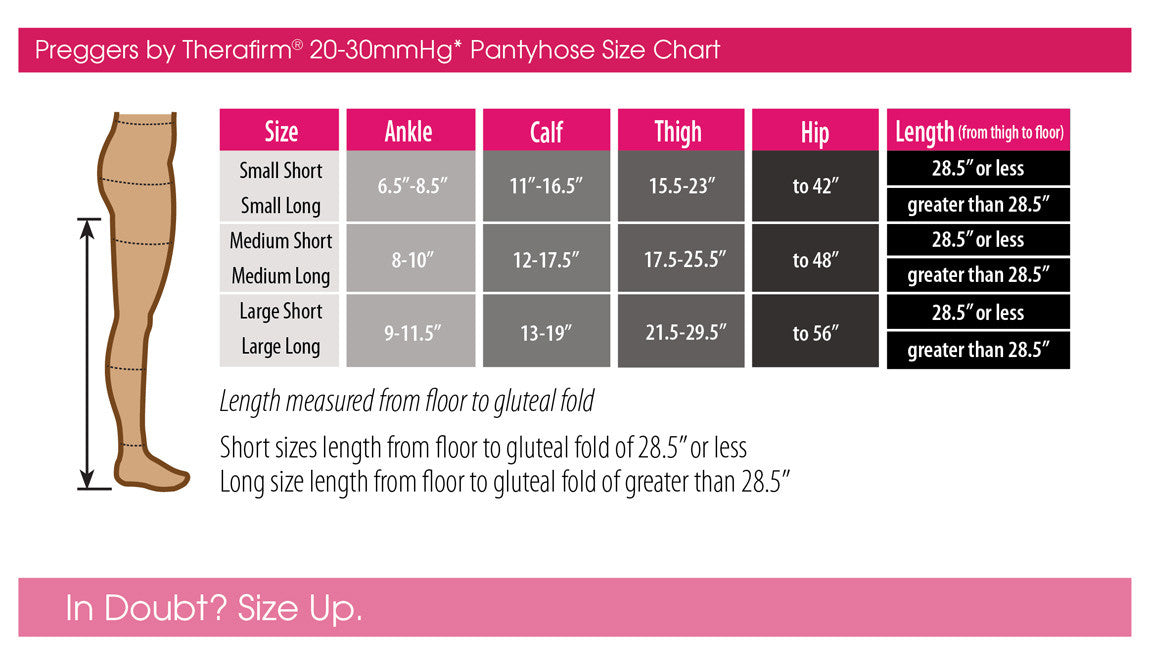
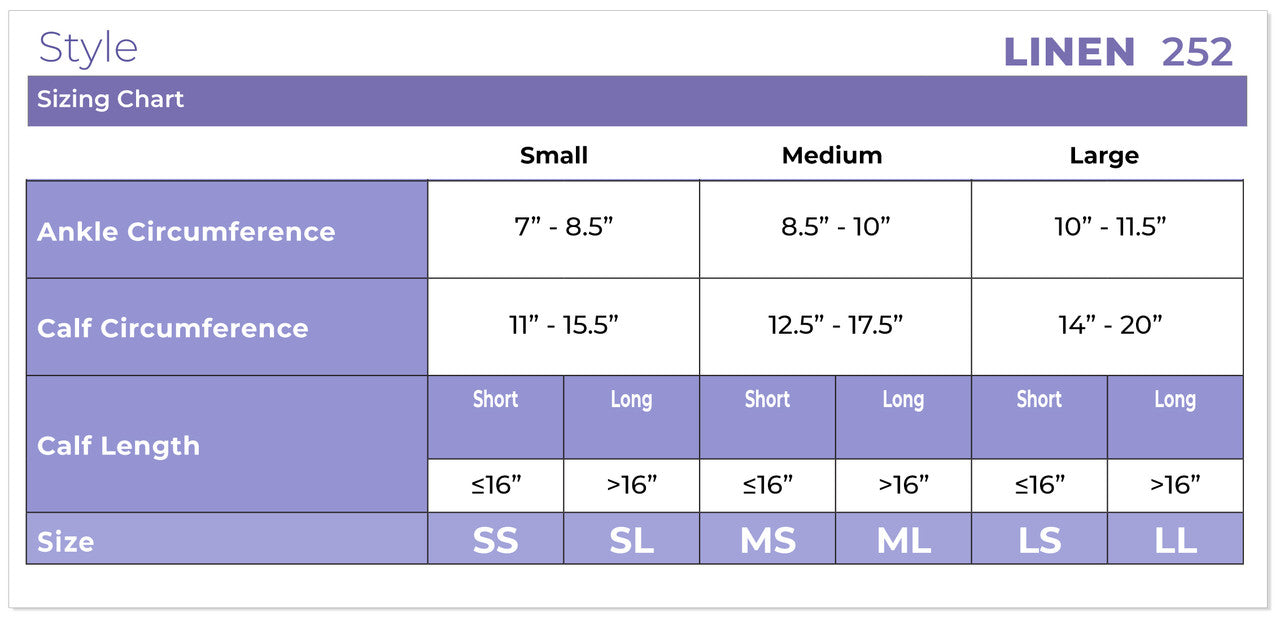
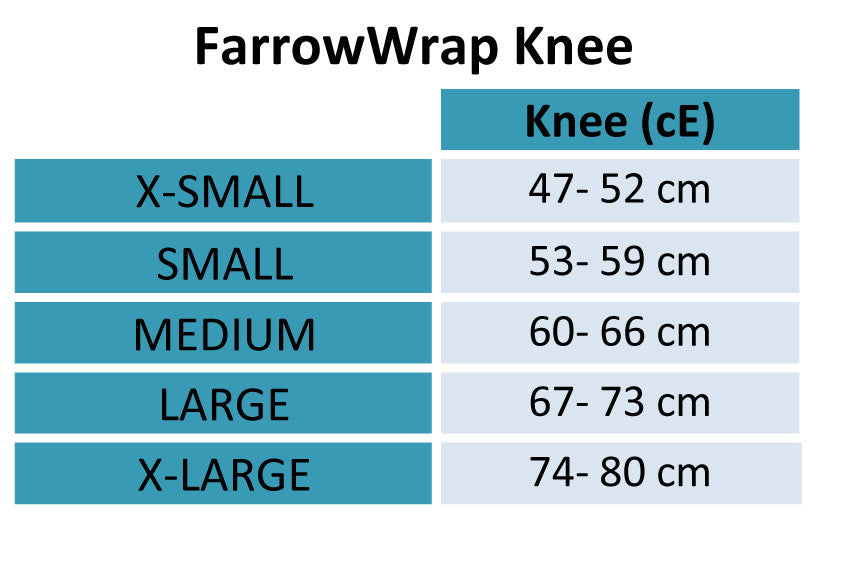
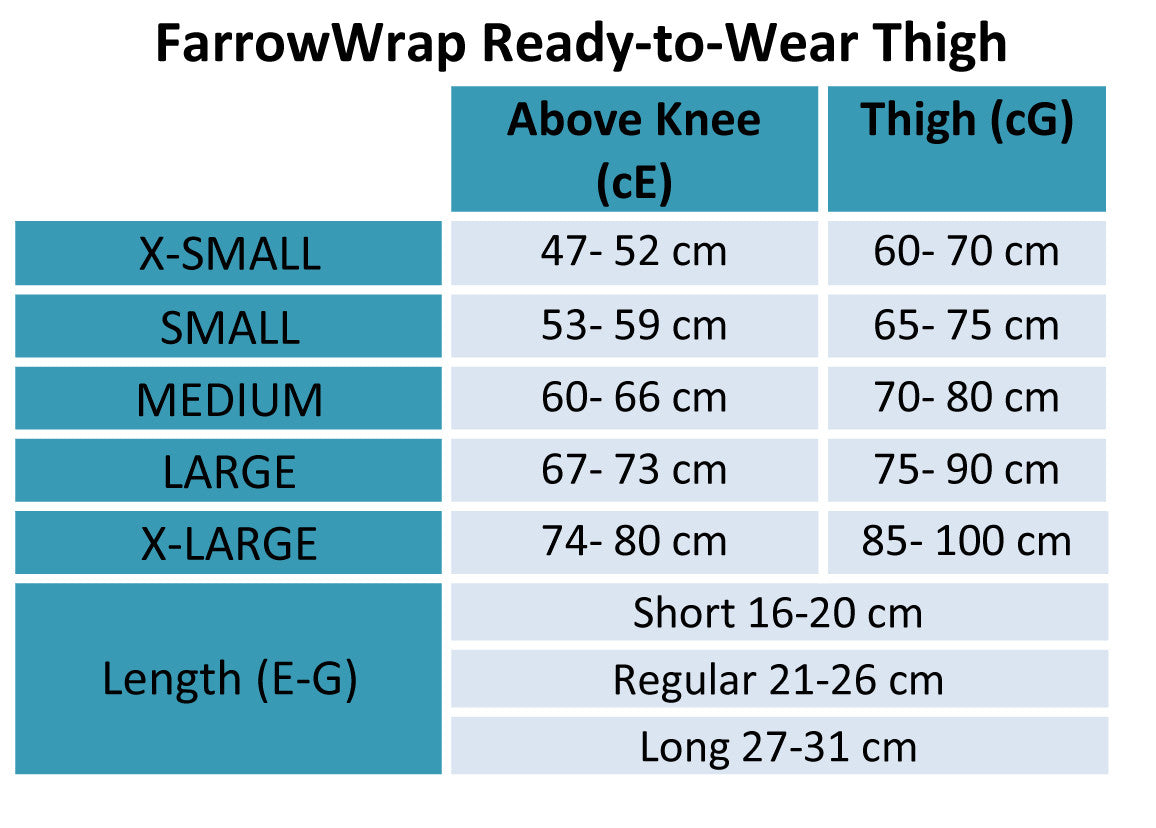
Choosing the correct size for firm compression stockings requires precise measurements of your ankle circumference, calf circumference, and leg length, taken first thing in the morning before swelling develops. Most brands like Juzo and Sigvaris provide detailed sizing charts that match your measurements to their specific garment sizes, ensuring optimal compression distribution and therapeutic effectiveness. Because 20-30 mmhg compression socks must fit snugly to deliver proper graduated compression, accurate measuring is critical—women's below-the-knee garments that are too loose won't provide adequate pressure, while those too tight can cause discomfort or restrict circulation. Use Compression Health’s size charts and guide for compression brands to find your perfect fit.
Is 20-30 mmHg considered medical-grade compression?
Yes, firm 20-30 mmHg compression is definitely classified as medical-grade compression and is the most frequently prescribed compression level by vascular specialists and phlebologists. Unlike lighter compression levels that are primarily preventive or for general wellness, 20-30 mmhg compression socks are designed to treat diagnosed medical conditions and are often covered by health insurance when prescribed by a physician. Brands like Jobst, Mediven, and Sigvaris manufacture their firm compression stockings to meet strict medical device standards, ensuring consistent compression gradients, durability, and therapeutic effectiveness that over-the-counter wellness compression wraps cannot match.
What's the main difference between firm (20-30 mmHg) and moderate (15-20 mmHg) compression?
The key difference between firm 20-30 mmHg and moderate 15-20 mmHg compression is both the pressure intensity and the medical conditions each level is designed to address. Firm compression stockings provide significantly more compression force, making them appropriate for treating diagnosed venous disease, while moderate compression is typically used for prevention and mild symptoms. Additionally, men's below-the-knee styles from brands like CircAid and Juzo are generally more challenging to put on due to their tighter construction and may require donning aids, whereas 15-20 mmHg garments are easier to apply independently.
Why Shop with Compression Health?
Compression Health is your trusted partner for medical-grade compression therapy, offering expert guidance and premium products to support your vascular health journey. We stock only authentic firm compression socks from leading medical brands, ensuring you receive genuine therapeutic garments that meet clinical standards for safety and effectiveness. Our knowledgeable team provides personalized sizing assistance and product recommendations, while our streamlined ordering process and fast shipping mean you can start your compression therapy quickly and confidently, knowing you're getting the right solution for your specific medical needs.