Shop Compression Wraps Online
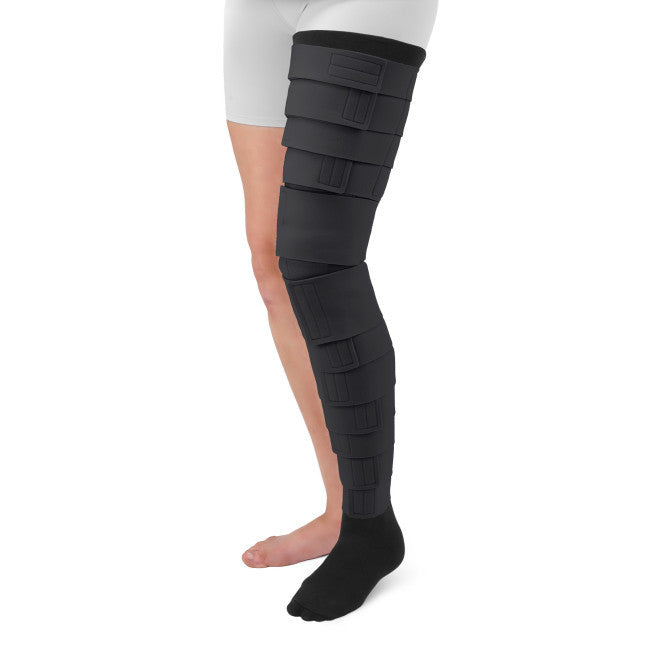
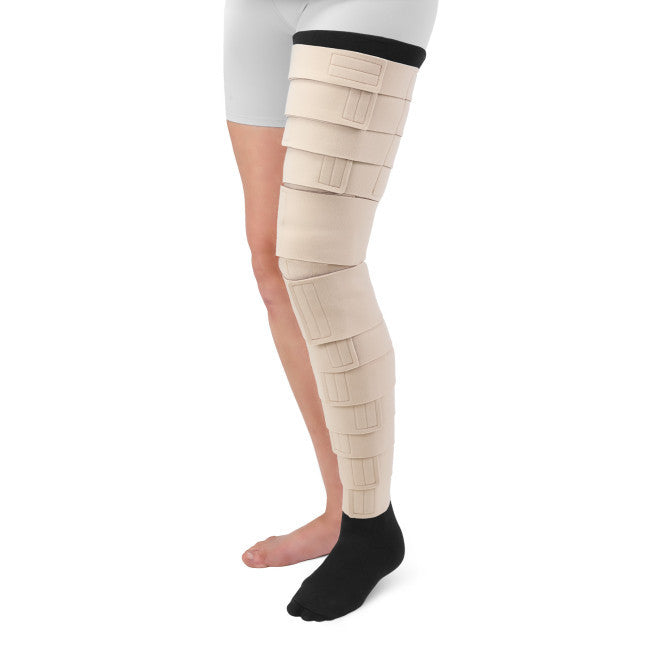
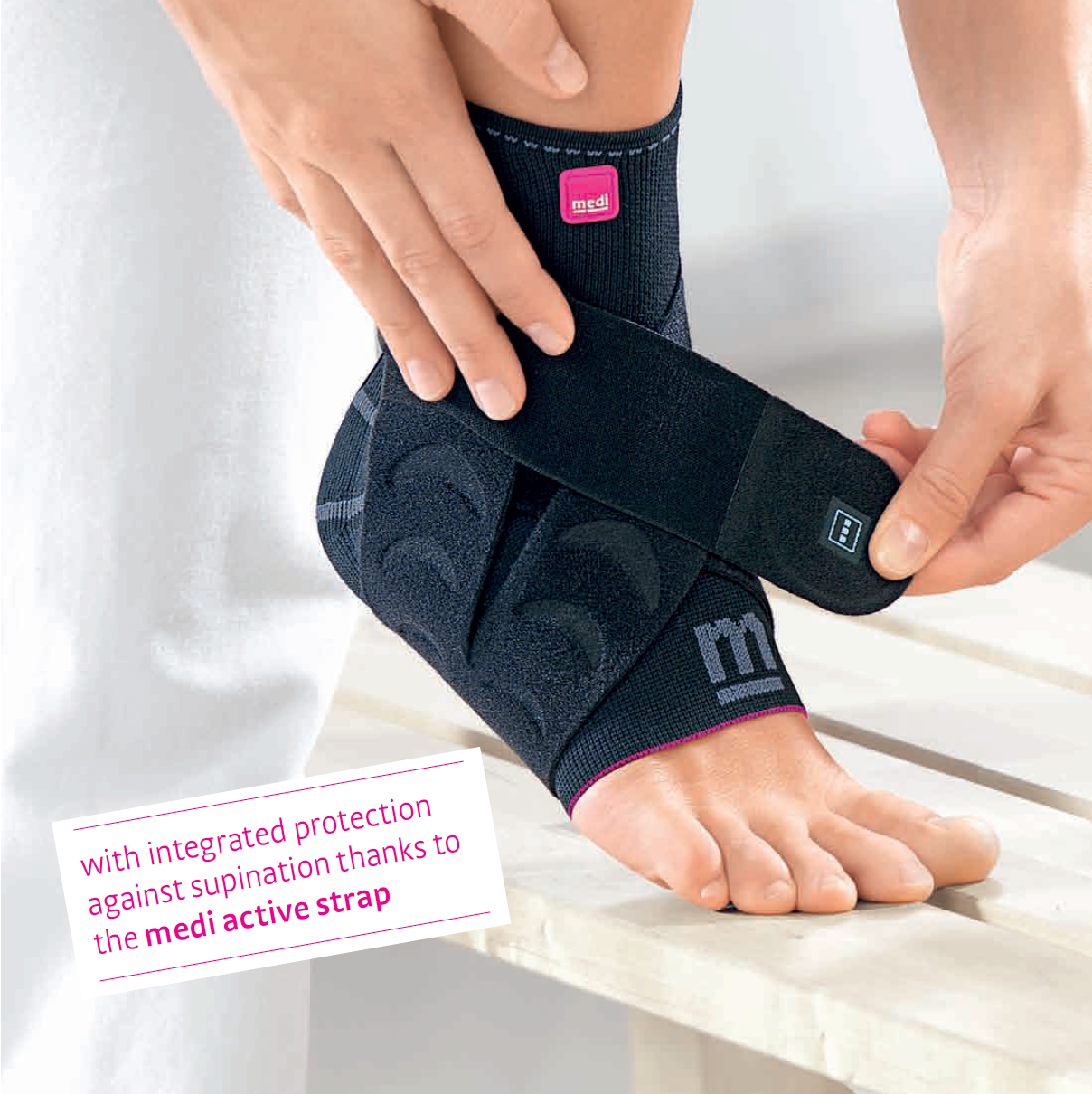
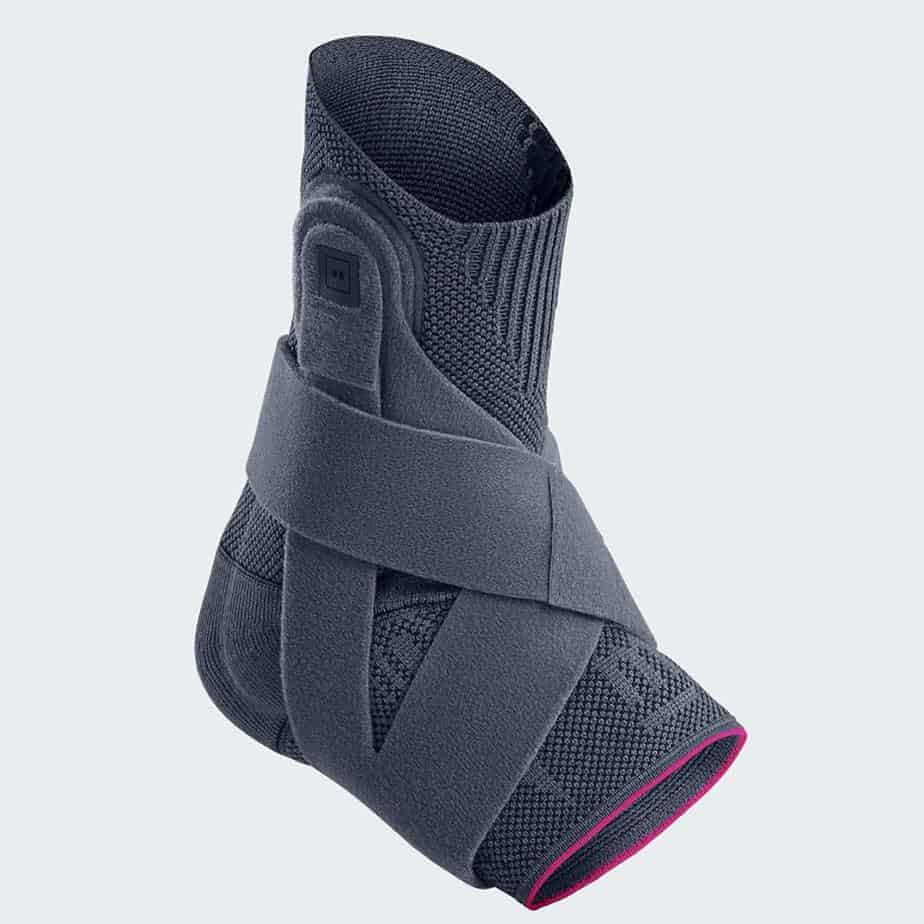
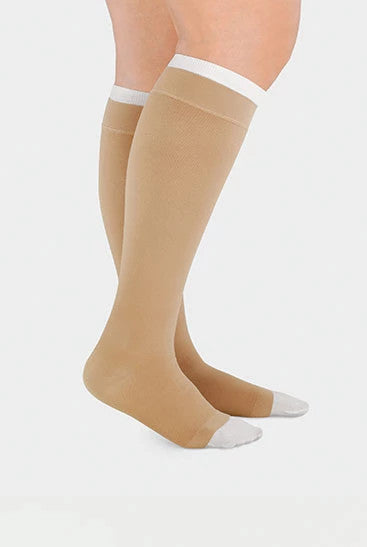
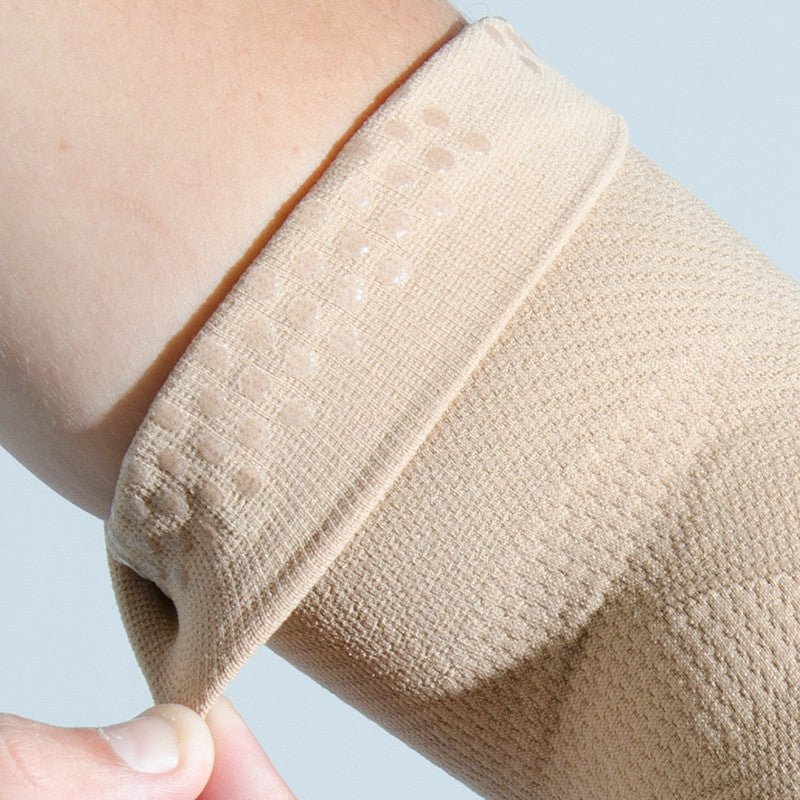
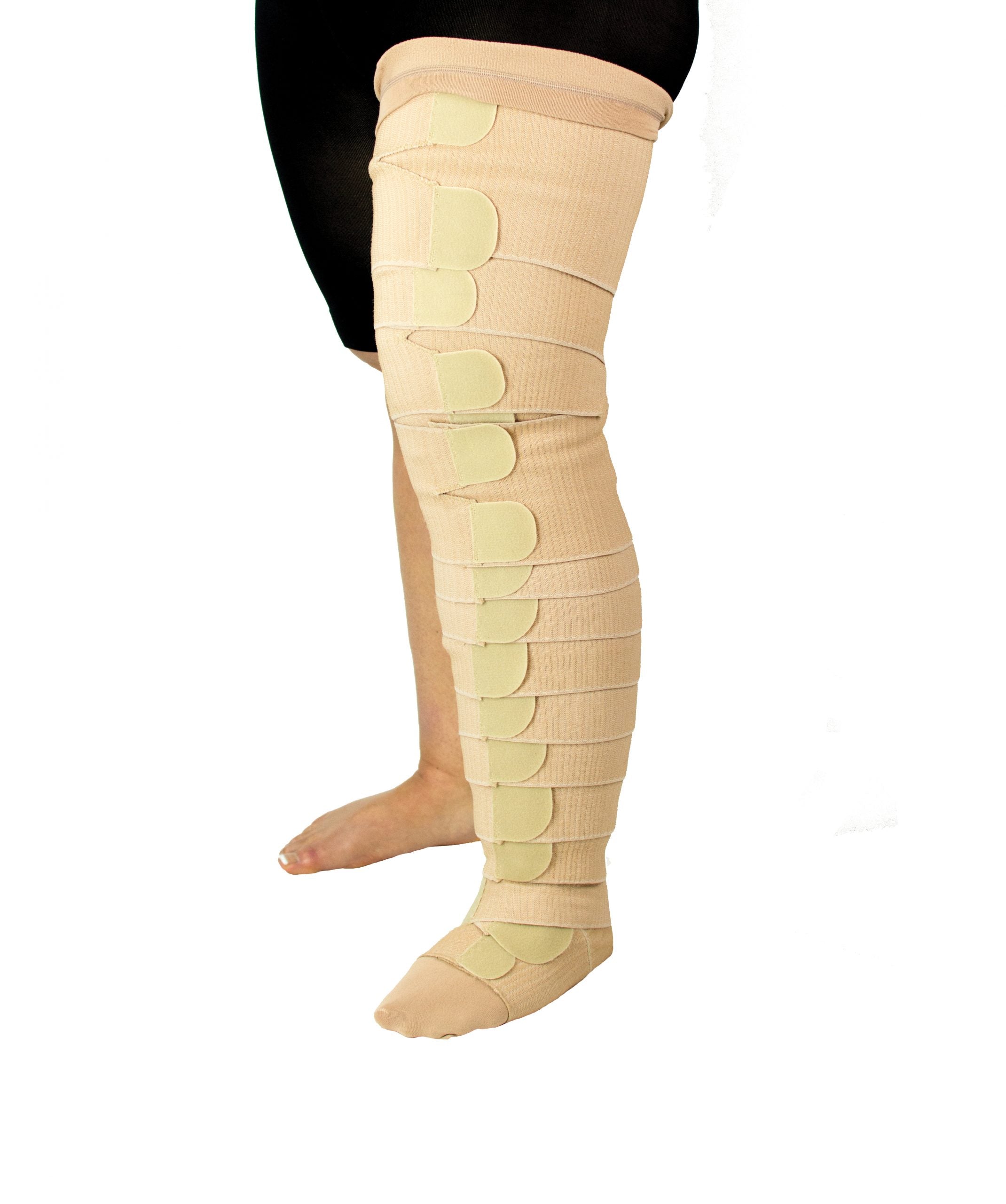
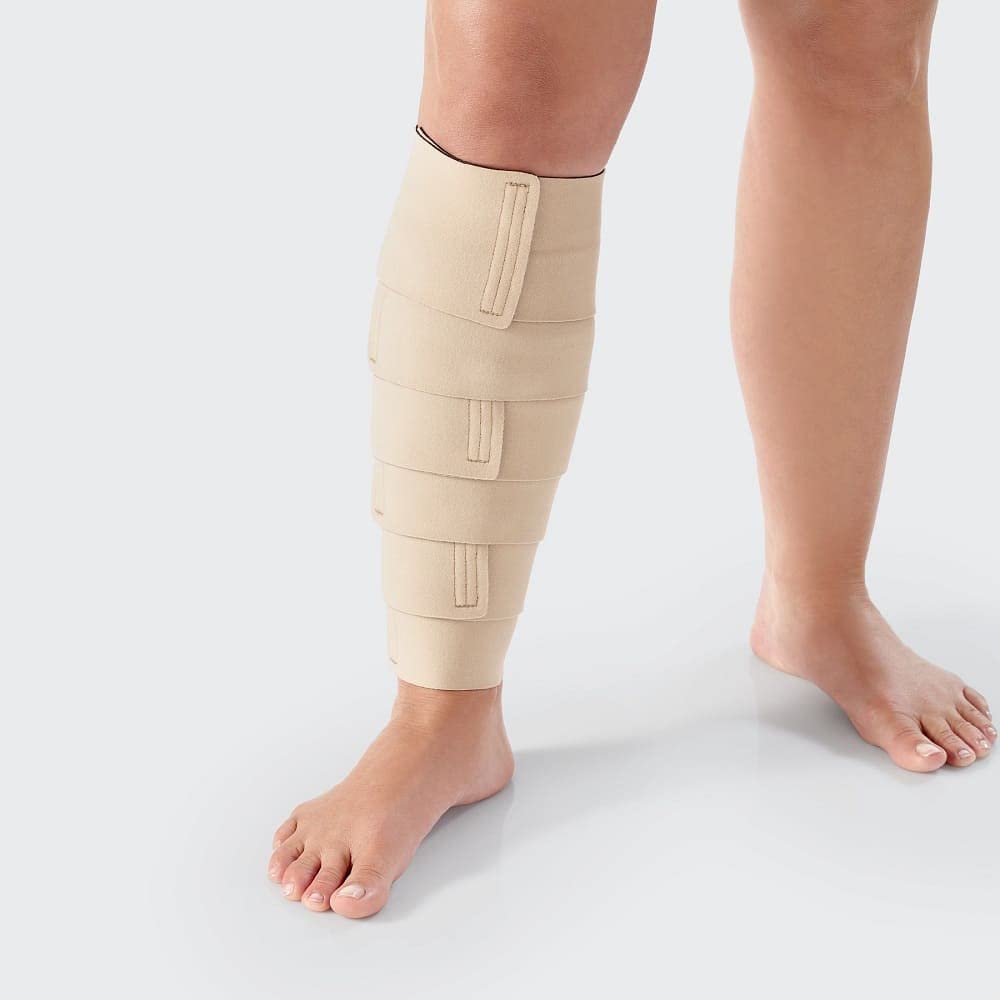
Discover adjustable compression wraps designed to make managing lymphedema, edema, and chronic swelling more flexible and convenient. Unlike traditional stockings, compression wraps use panels and straps so you can fine‑tune the fit as your limb size changes throughout the day. Many styles feature low‑profile designs that fit comfortably under clothing while still delivering medical‑grade support. Whether you need leg wraps for swelling, arm wraps after therapy, or an option that’s easier to put on than standard hosiery, compression wraps give you control and comfort in one simple system.
When should I choose a compression wrap instead of a compression sock?
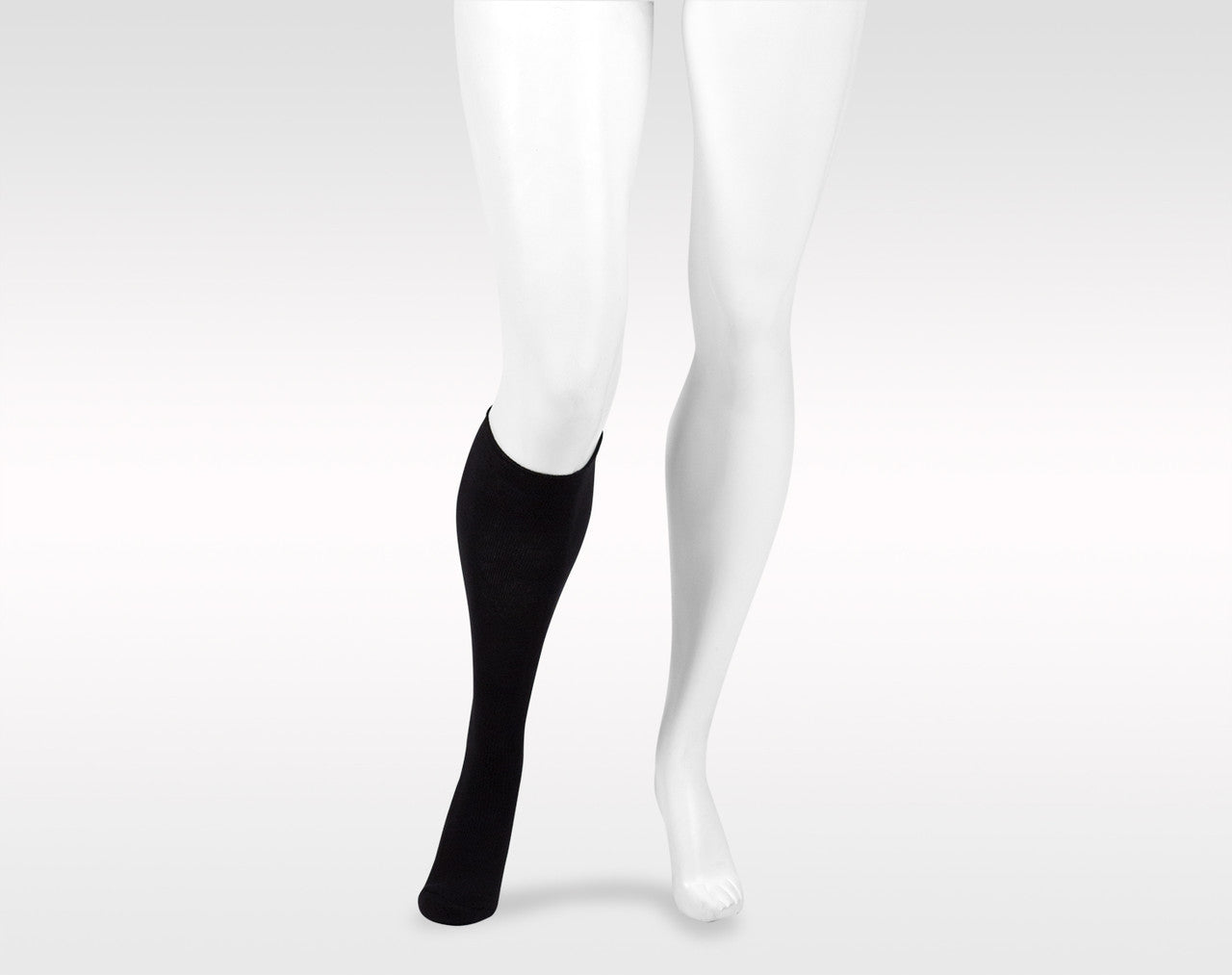
A compression wrap is often the better choice when your swelling fluctuates significantly, making traditional socks or stockings difficult to fit. The adjustable design lets you loosen or tighten the wrap throughout the day, which is especially helpful for lymphedema, post‑surgical swelling, or chronic venous conditions. Wraps can also be easier to apply if you have limited hand strength or mobility compared to pulling on firm compression stockings. If you’ve struggled to get standard garments over your ankle or calf, or your measurements don’t match a typical size chart, an adjustable wrap can offer a more practical, sustainable solution alongside other options like compression products for legs.
How do I apply a compression wrap correctly to ensure even pressure?
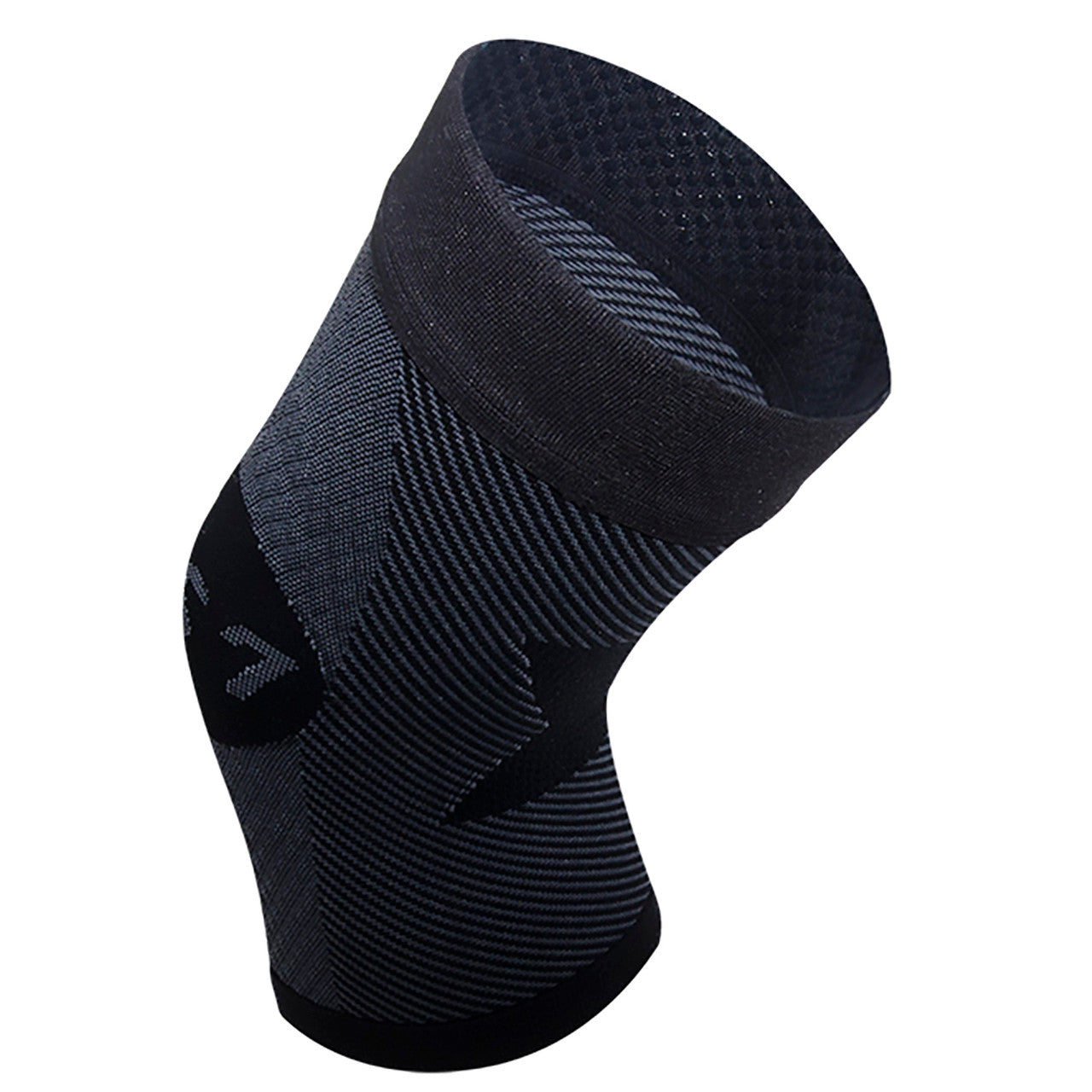
To apply a compression wrap correctly, start at the farthest point from your heart, usually near the foot or hand, and work upward with smooth, overlapping layers. Each strap or panel should overlap the previous one by about half its width, so there are no gaps or tight “bands” that can pinch the skin. The wrap should feel snug, supportive, and secure, but you should still be able to move comfortably and slide a finger under the edge. If you notice numbness, tingling, or significant discomfort, remove the wrap and reapply with slightly less tension. For complex conditions like lymphedema, a certified therapist can show you an ideal wrapping pattern to follow at home and how to integrate wraps with other supports such as knee sleeves and braces.
Are compression wraps suitable for managing lymphedema or severe edema?
Yes, compression wraps are widely used in lymphedema and severe edema management because they can deliver strong, consistent pressure while still being adjustable. They are particularly helpful during the active reduction phase of treatment, when limb size can change quickly from day to day. Many people pair wraps with foam or padding underlays to improve comfort and help direct fluid from more affected areas toward healthier drainage pathways. For long‑term management, wraps can also complement garments like men’s compression bottoms and women’s compression bottoms, giving you flexibility to adapt your routine to how you’re feeling.
Can compression wraps be used on different parts of the body?
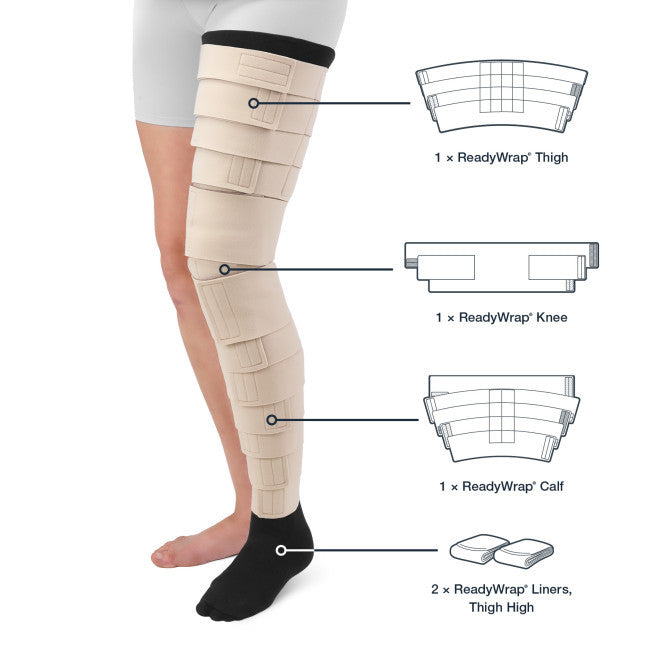
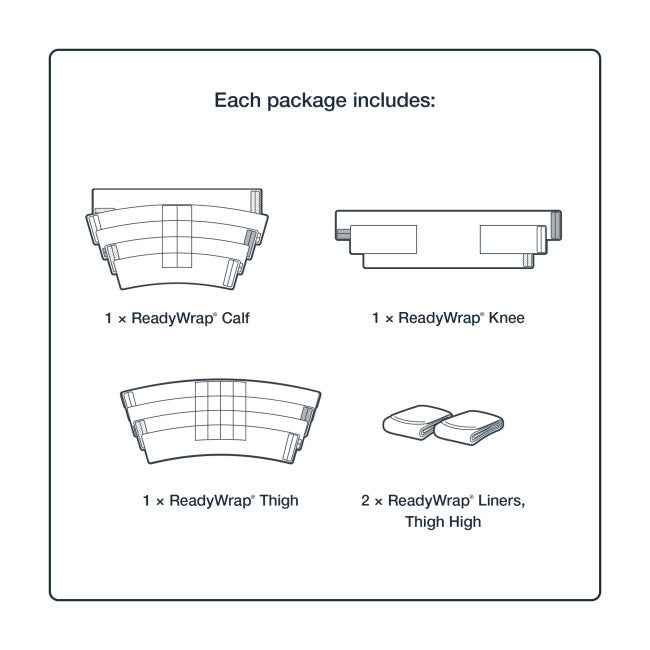
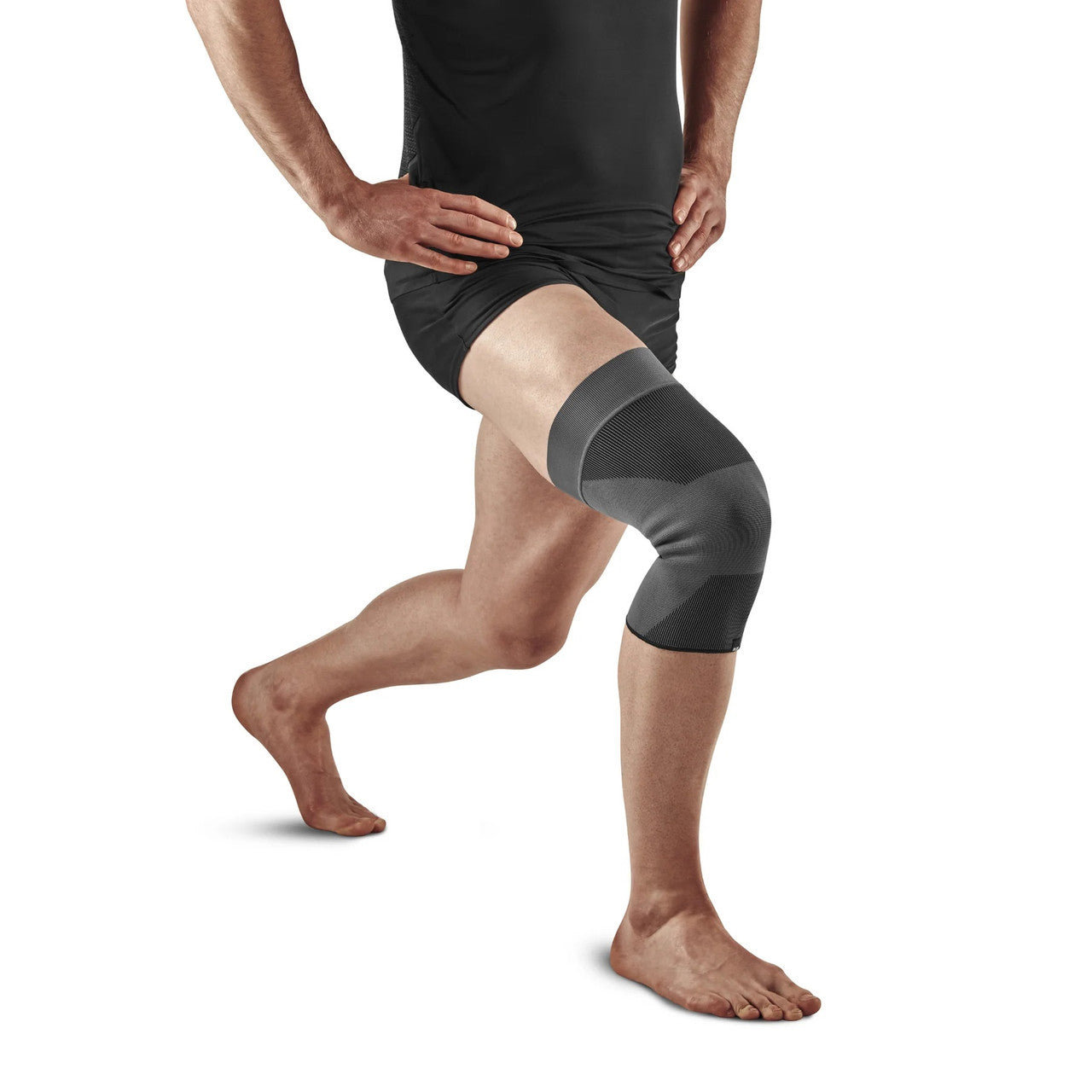
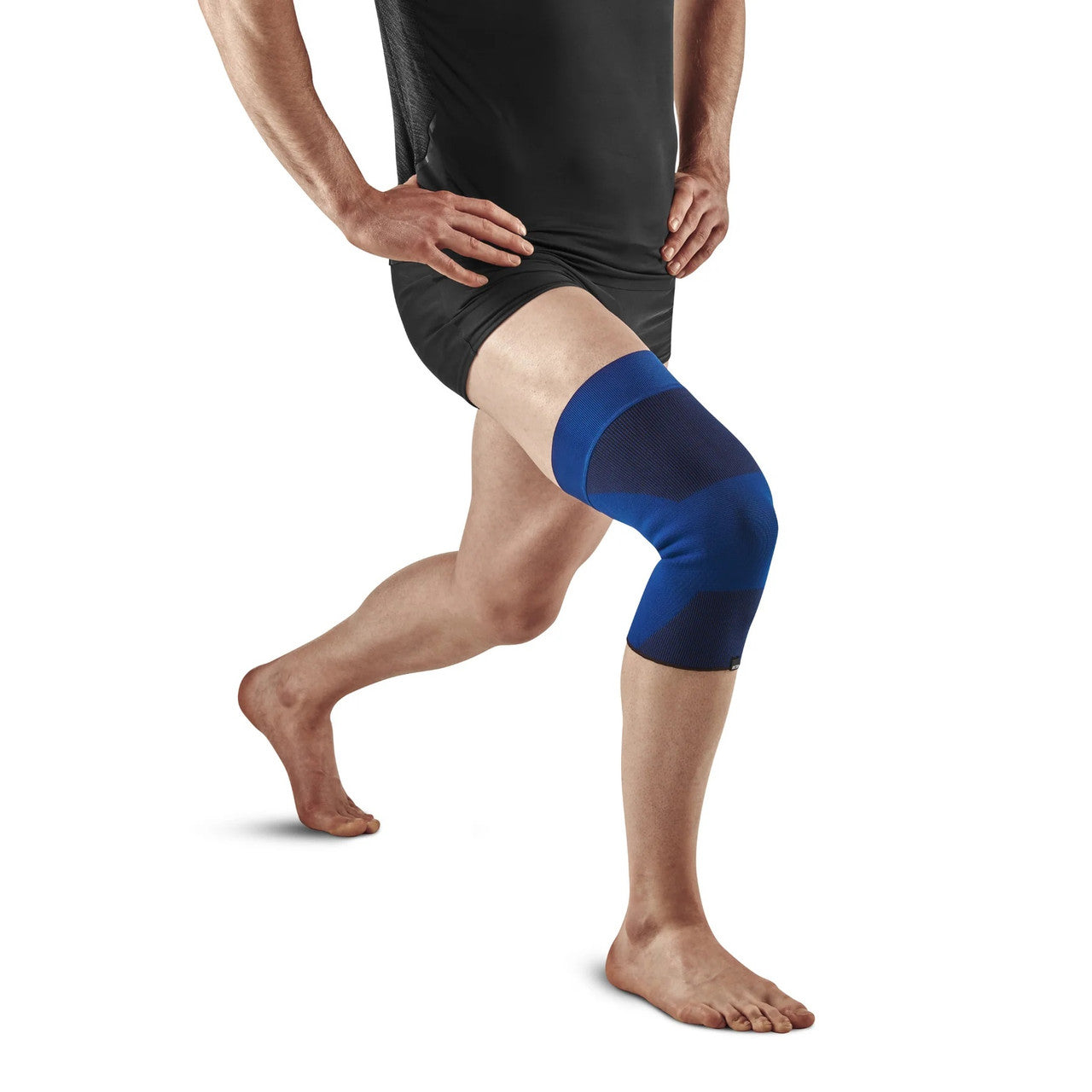
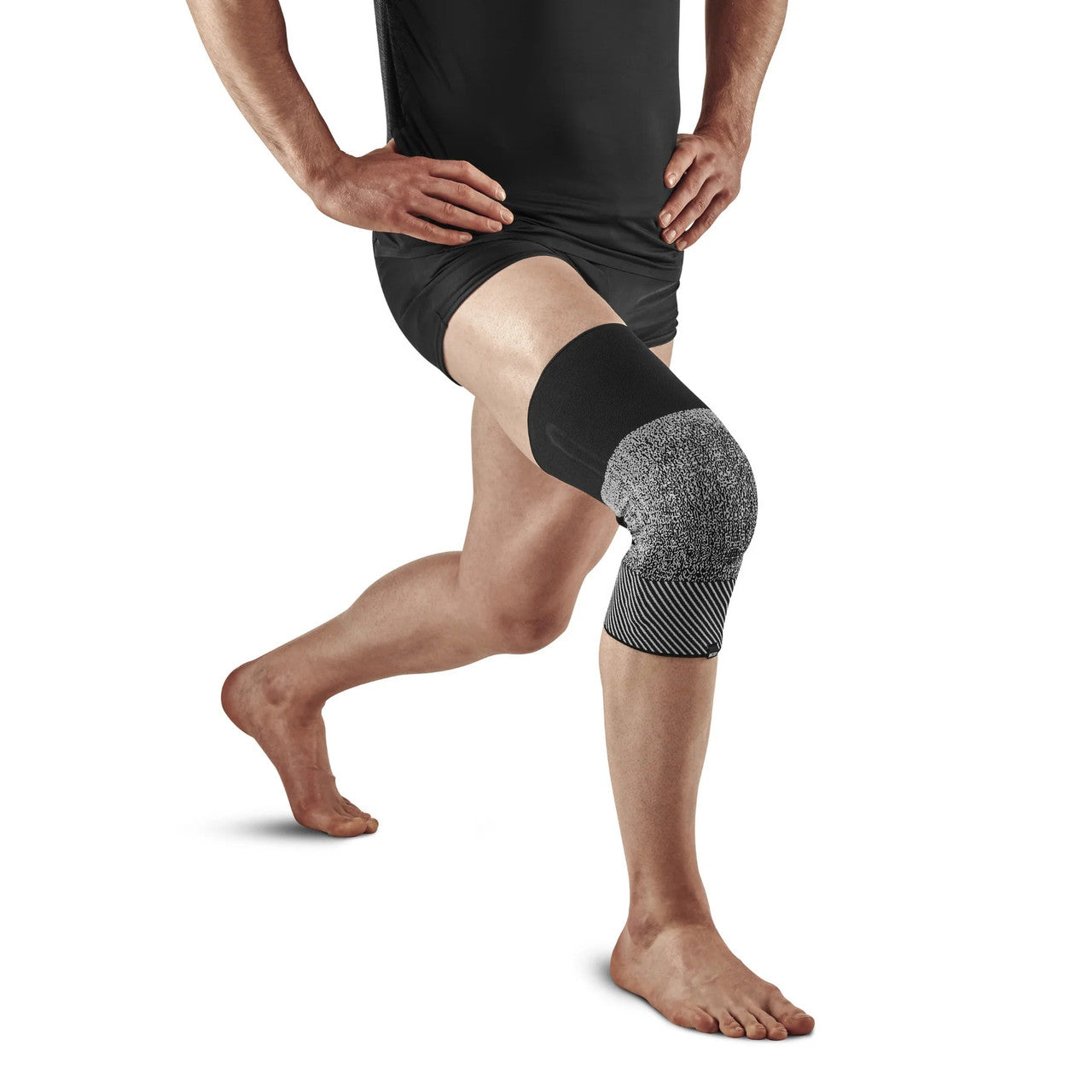
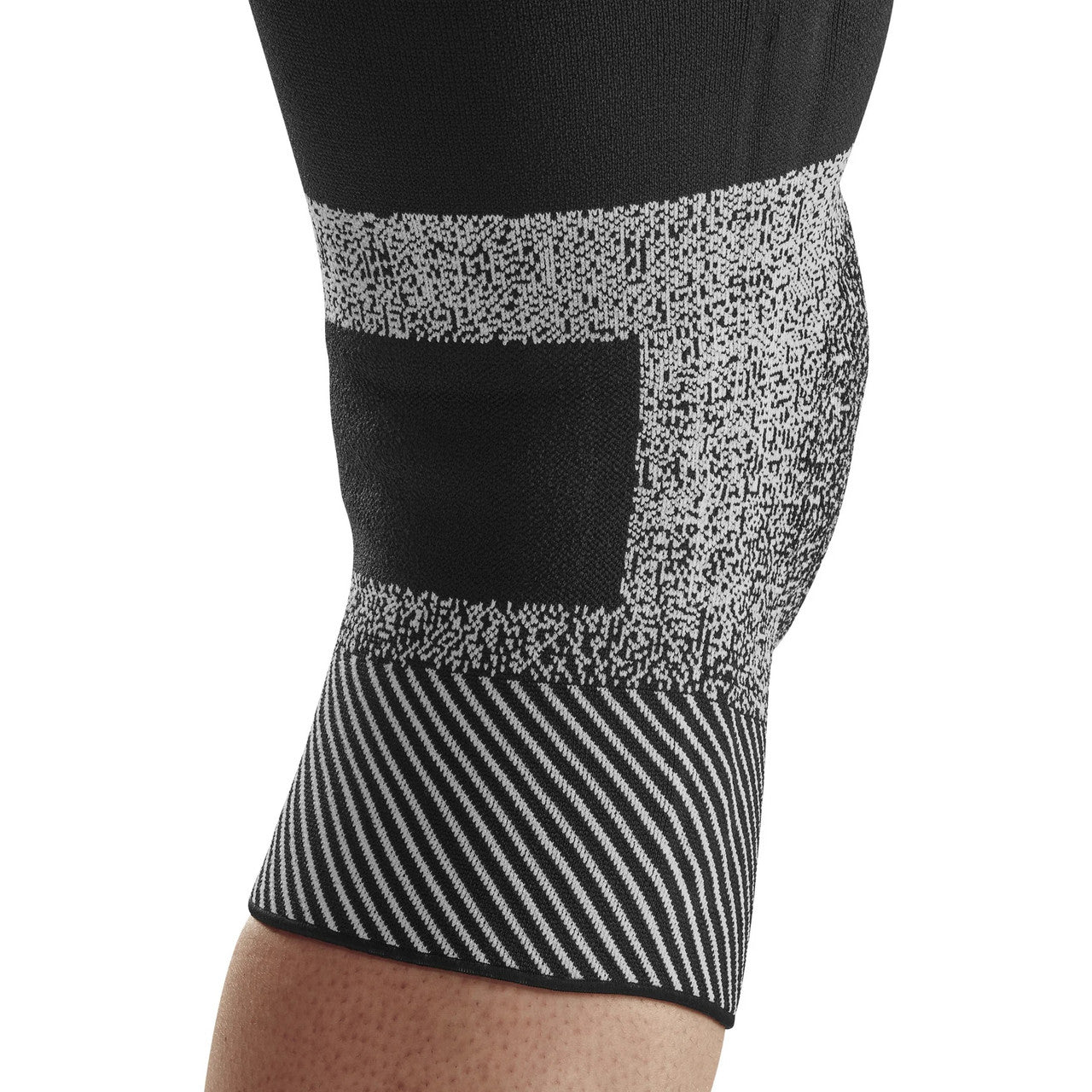
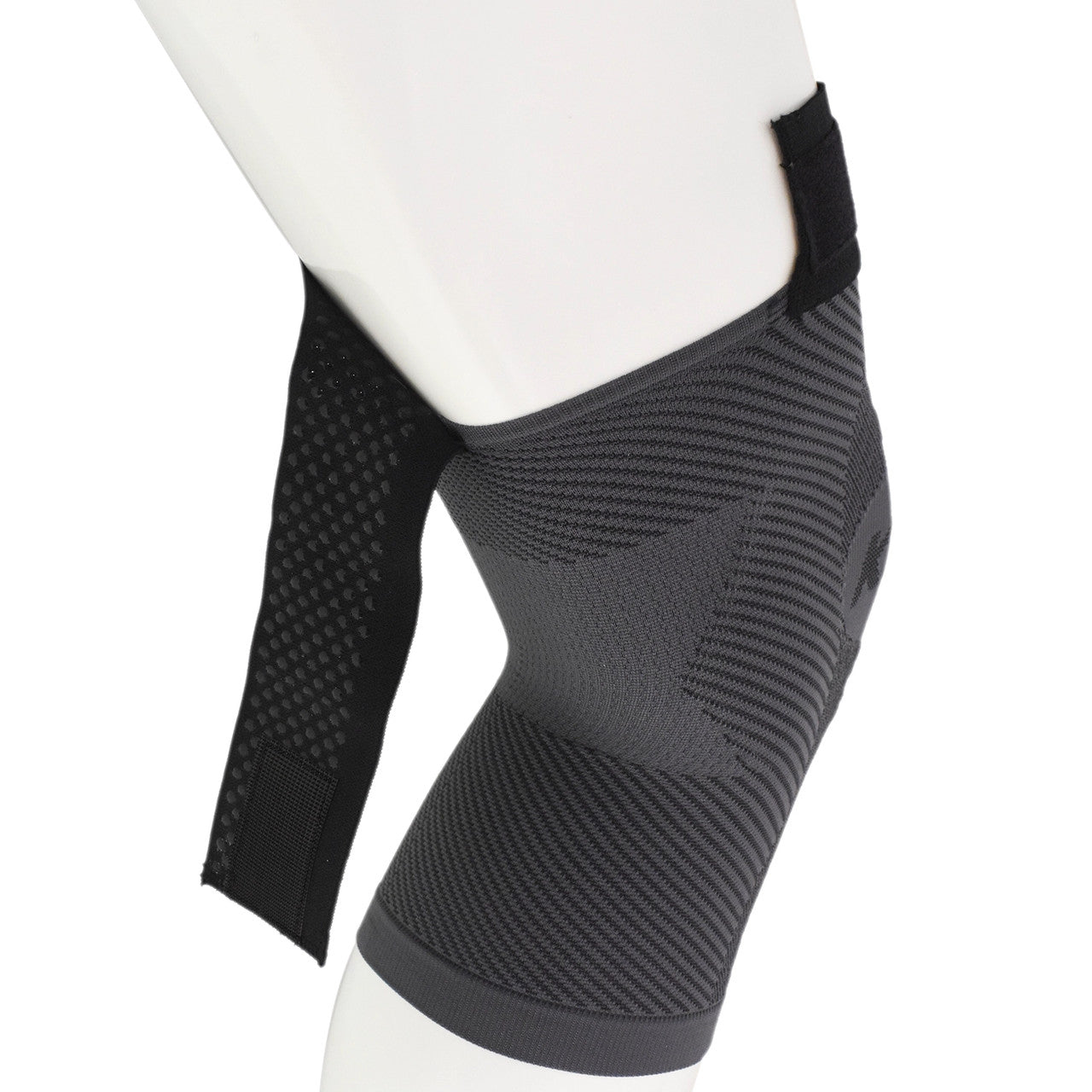
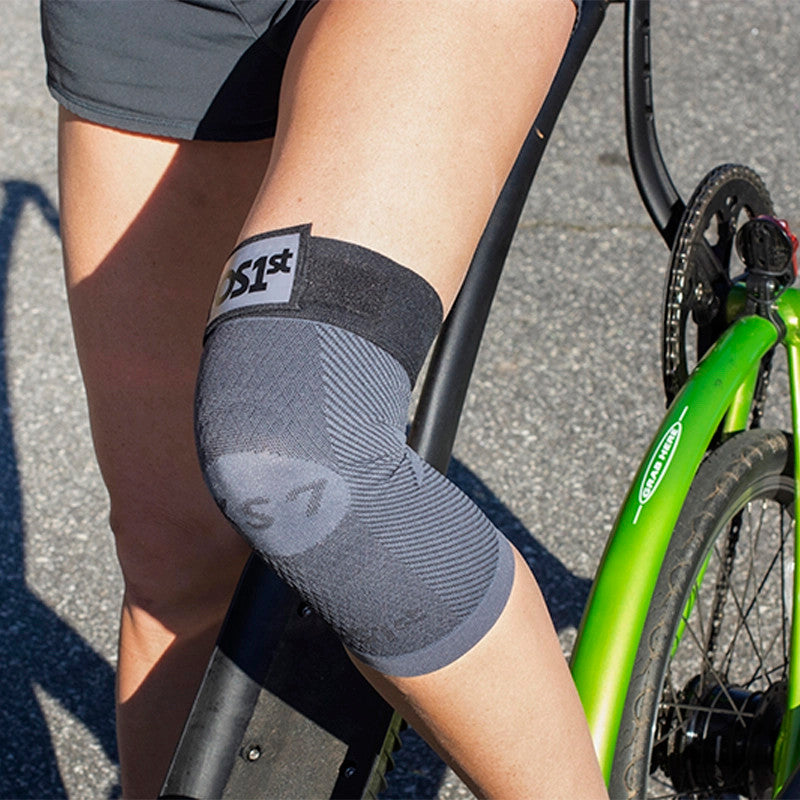
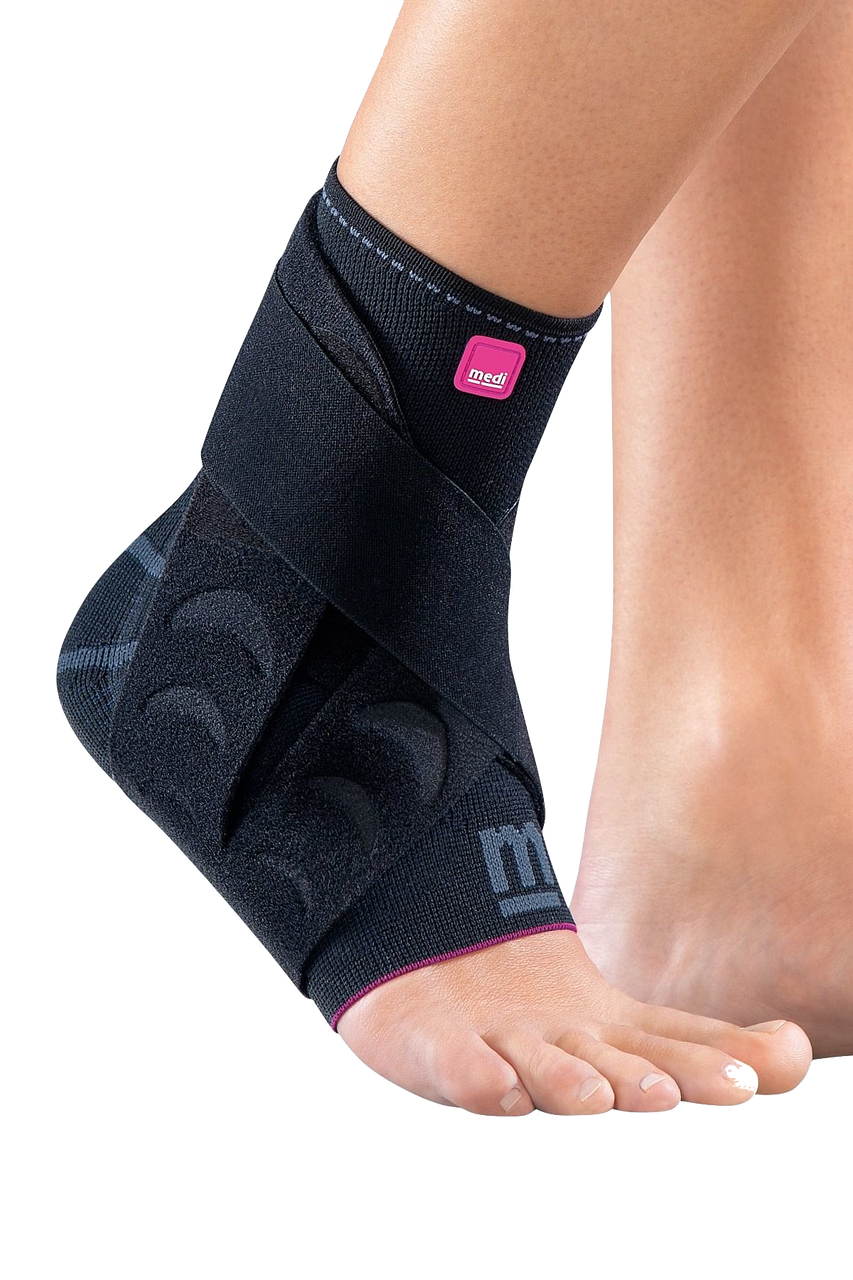
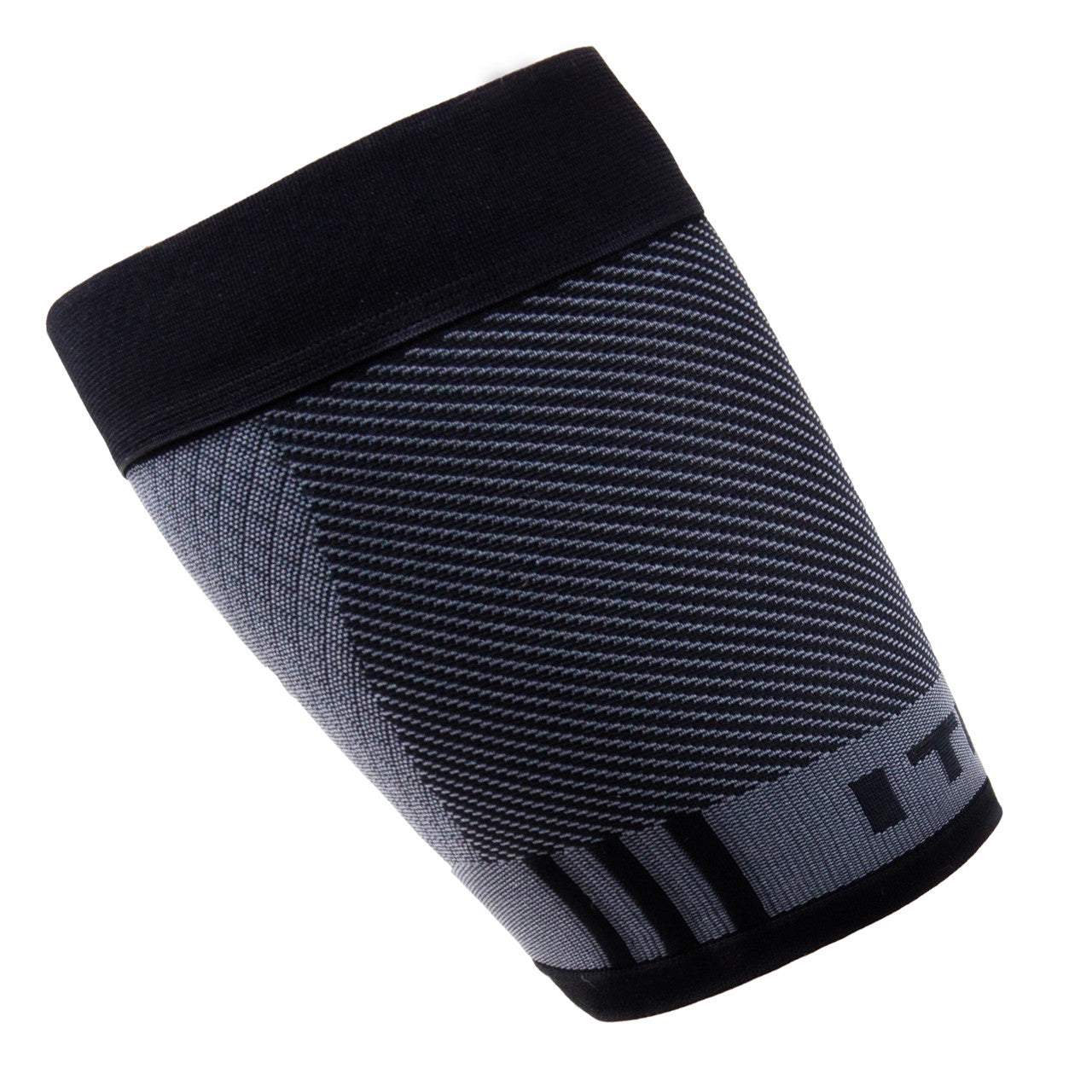
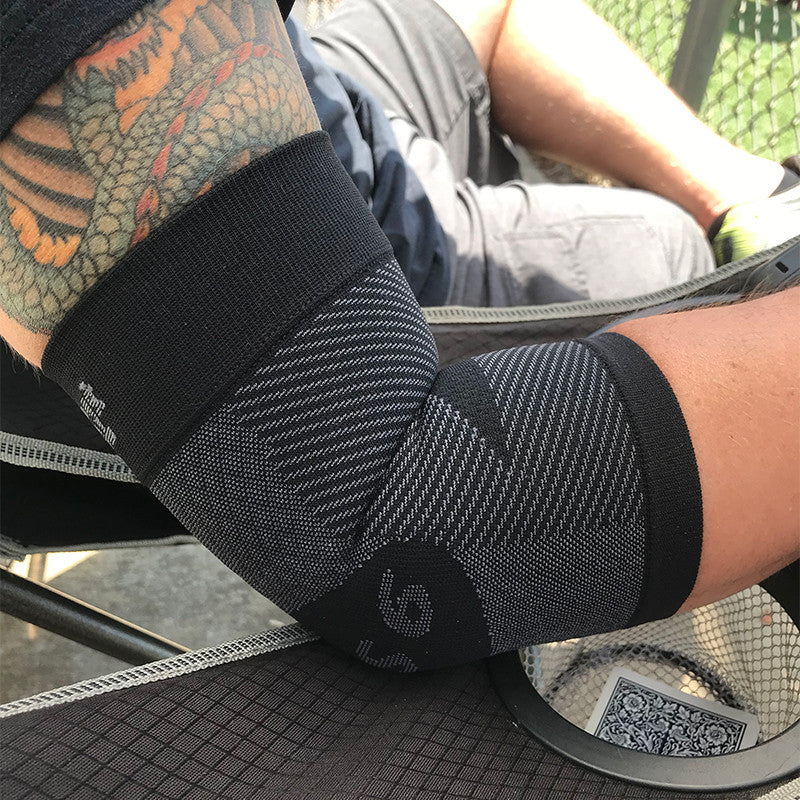
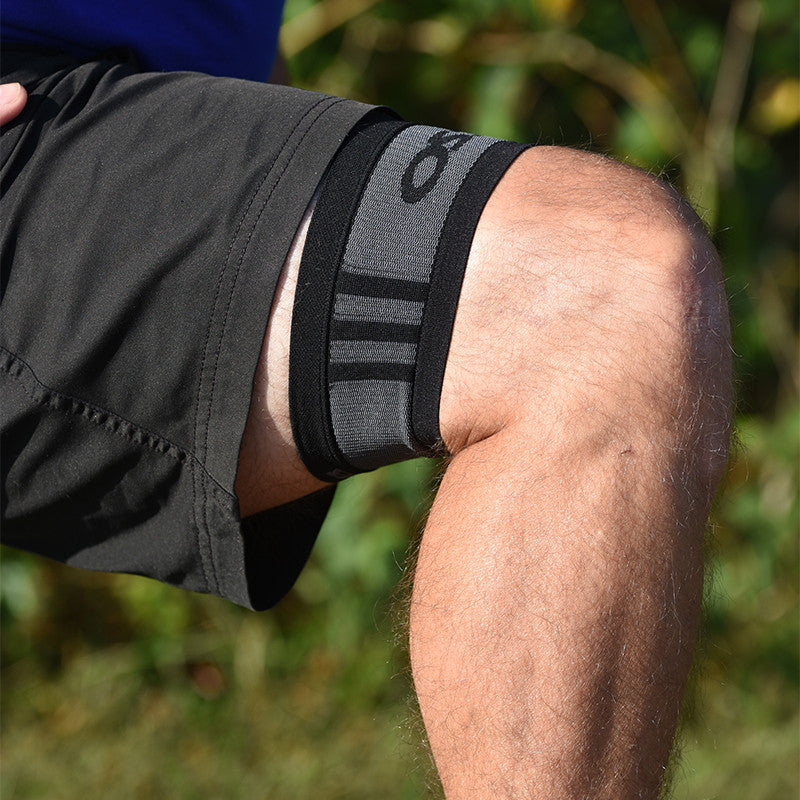
Compression wraps come in designs tailored to different body regions, including the lower leg, thigh, arm, hand, and foot. Lower‑extremity wraps are popular for calf and thigh swelling and can work well alongside knee compression sleeves and braces when joint support is also needed. For larger treatment areas, wraps can be combined with women’s compression leggings or other leg garments to create more complete coverage. Choosing a wrap designed for your specific body part ensures the panels are the right width and length to give you smooth, even compression without excessive bulk.
How do I choose the right size and style of compression wrap?
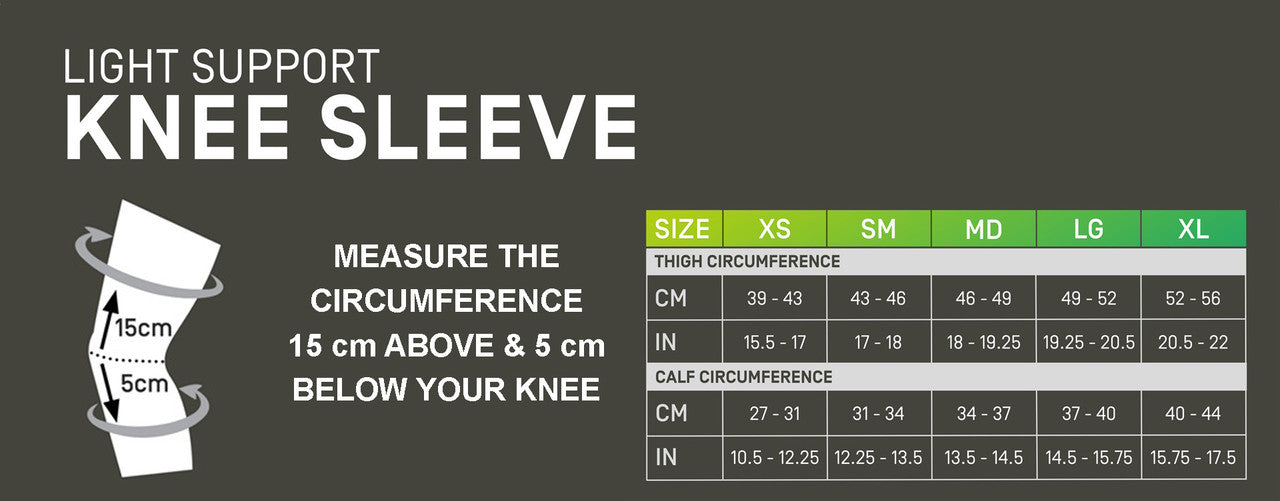
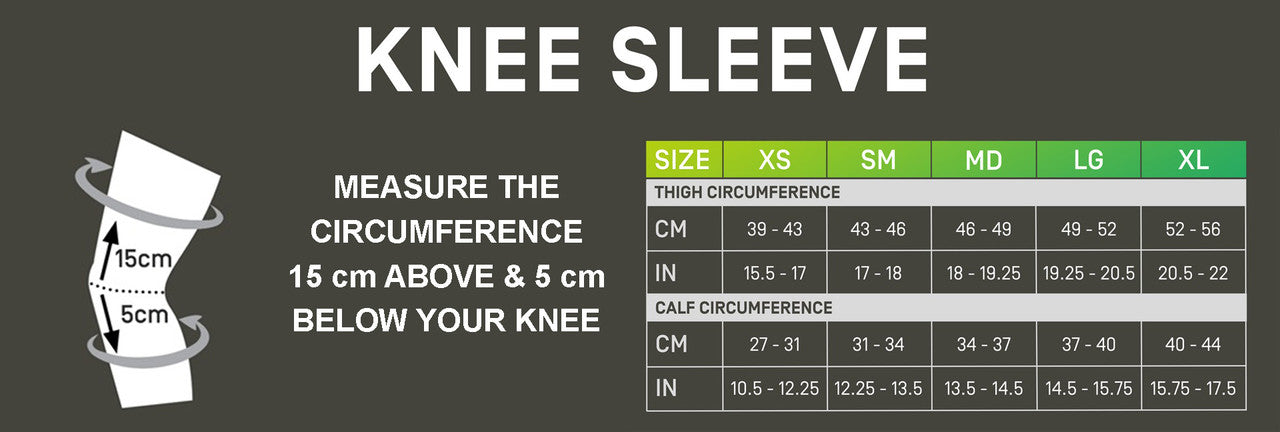
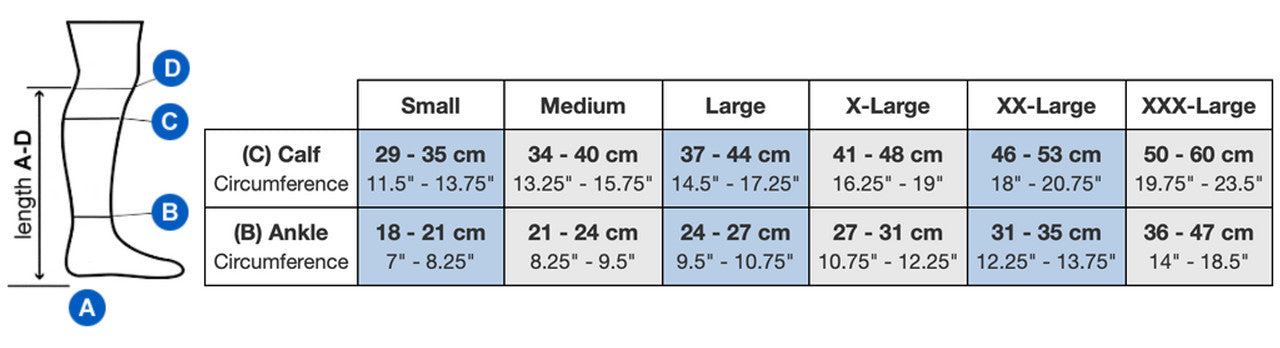
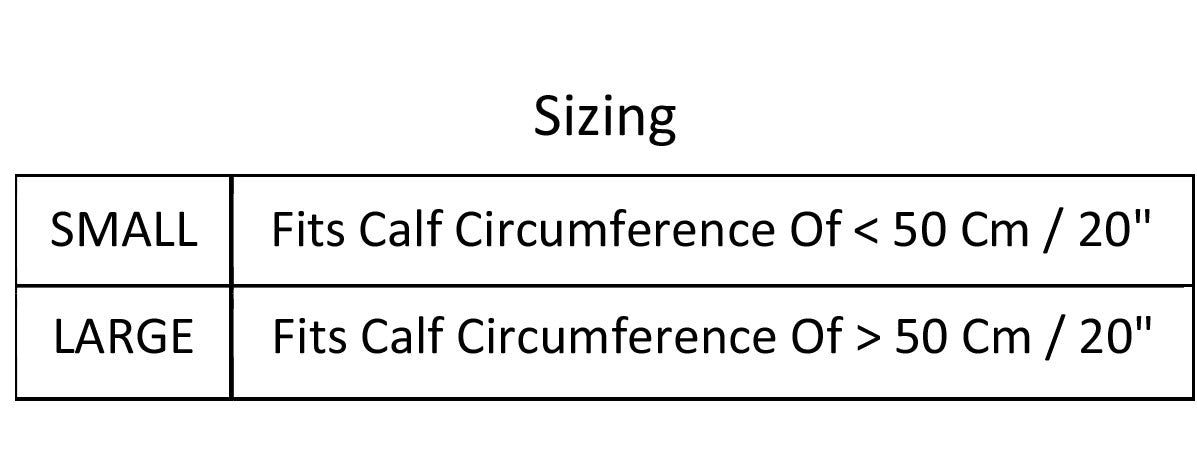
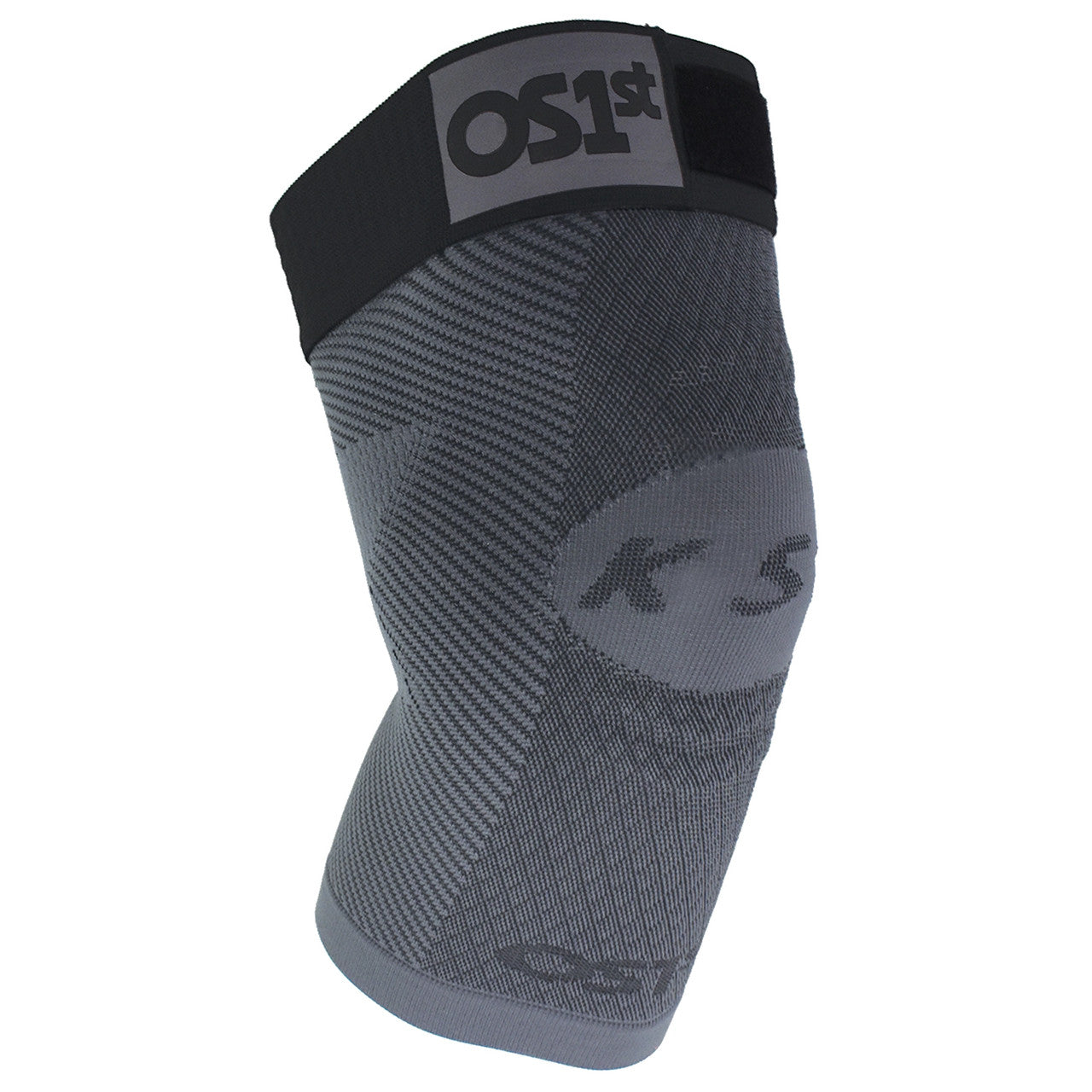
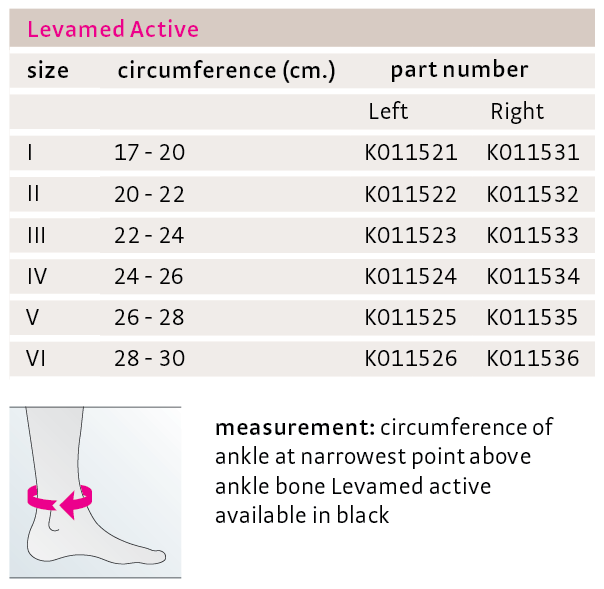
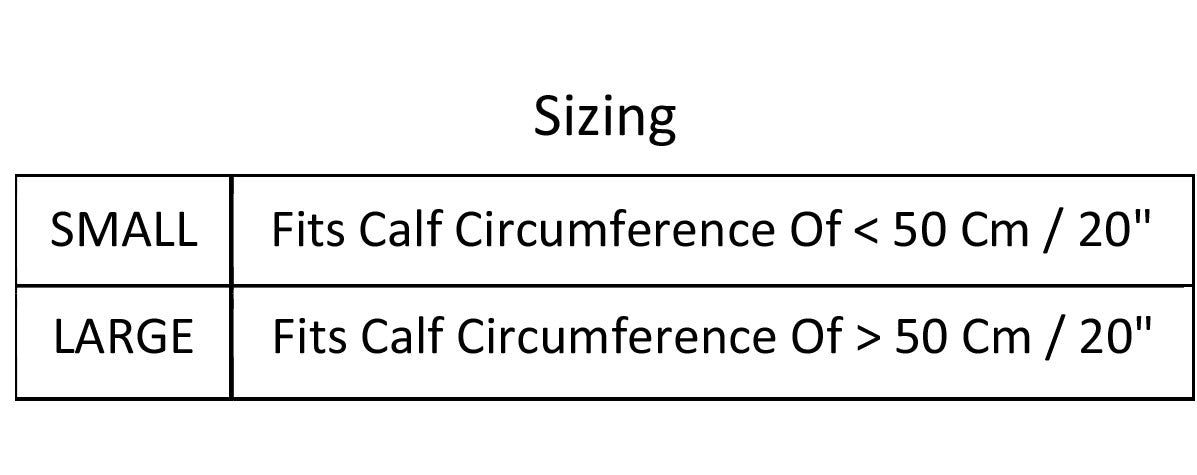
Selecting the right wrap starts with accurate measurements of the limb at a few key points, such as the ankle, the widest part of the calf, and just below the knee for lower‑leg wraps. Use those measurements to compare against the manufacturer’s sizing chart, and consider whether you want a wrap that stops below the knee, reaches the thigh, or pairs easily with items like compression products for legs. Some designs from brands such as OS1st use low‑profile, breathable materials that are ideal for everyday wear, while more structured styles with stronger panels may be better for intensive therapy. If you’re unsure between sizes, it’s often safer to choose the larger size or ask your clinician which option will offer the most consistent, comfortable compression.
Why Shop with Compression Health?
Compression Health offers a carefully curated selection of medical‑grade compression wraps to support everything from mild ankle swelling to complex lymphedema. You’ll find adjustable designs that work seamlessly with related categories like compression products for legs, men’s compression bottoms, and women’s compression bottoms, plus performance‑oriented options from brands like OS1st. We focus on clear, practical guidance so you can confidently choose the right style, size, and compression level for your needs. When you shop with us, you get more than a wrap; you get a knowledgeable partner in your long‑term swelling management plan.