Shop Products for Tennis Elbow Online
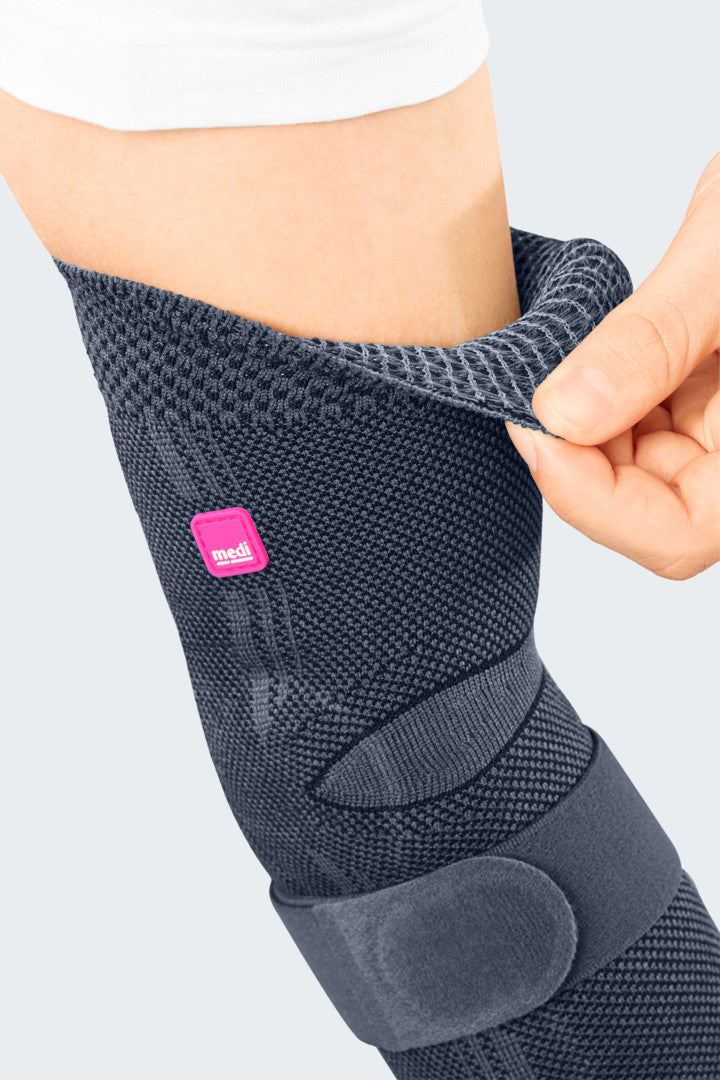
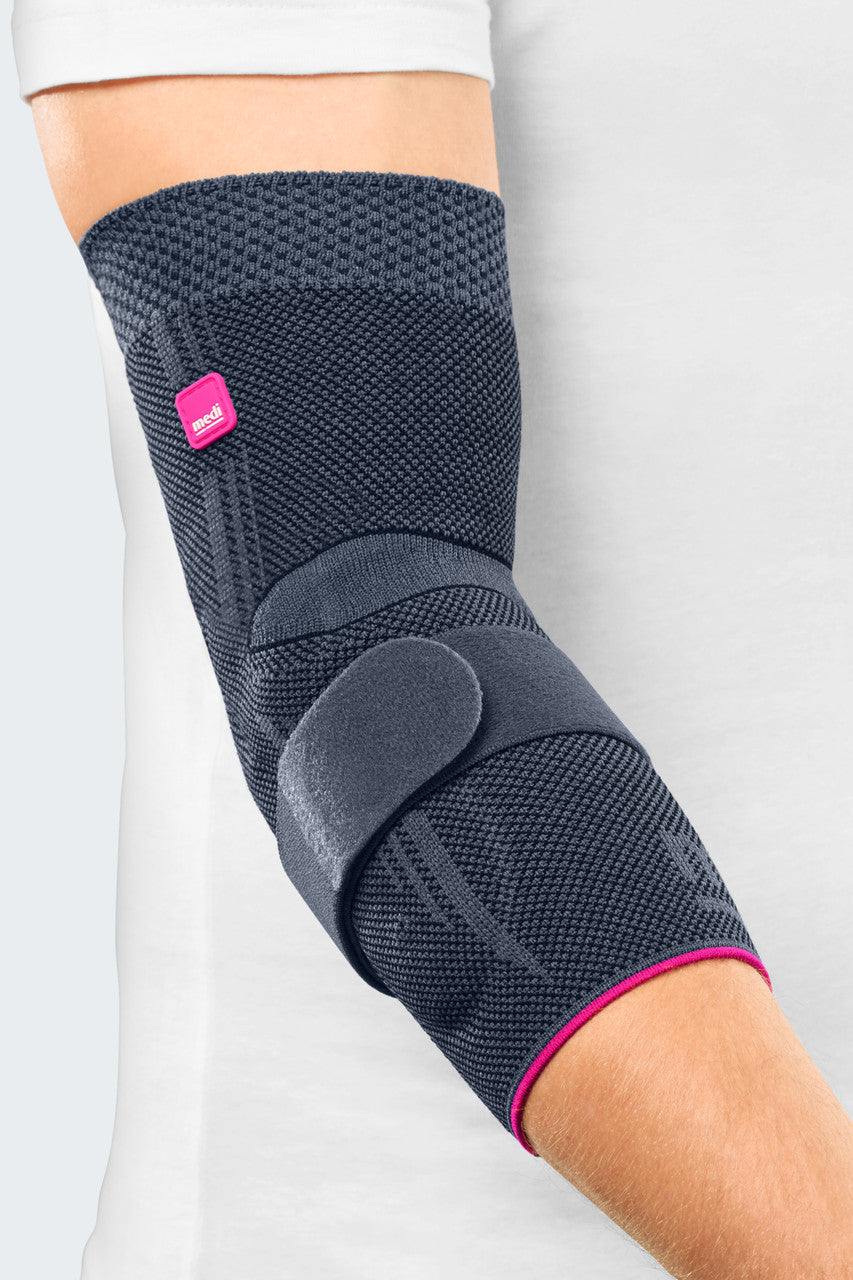
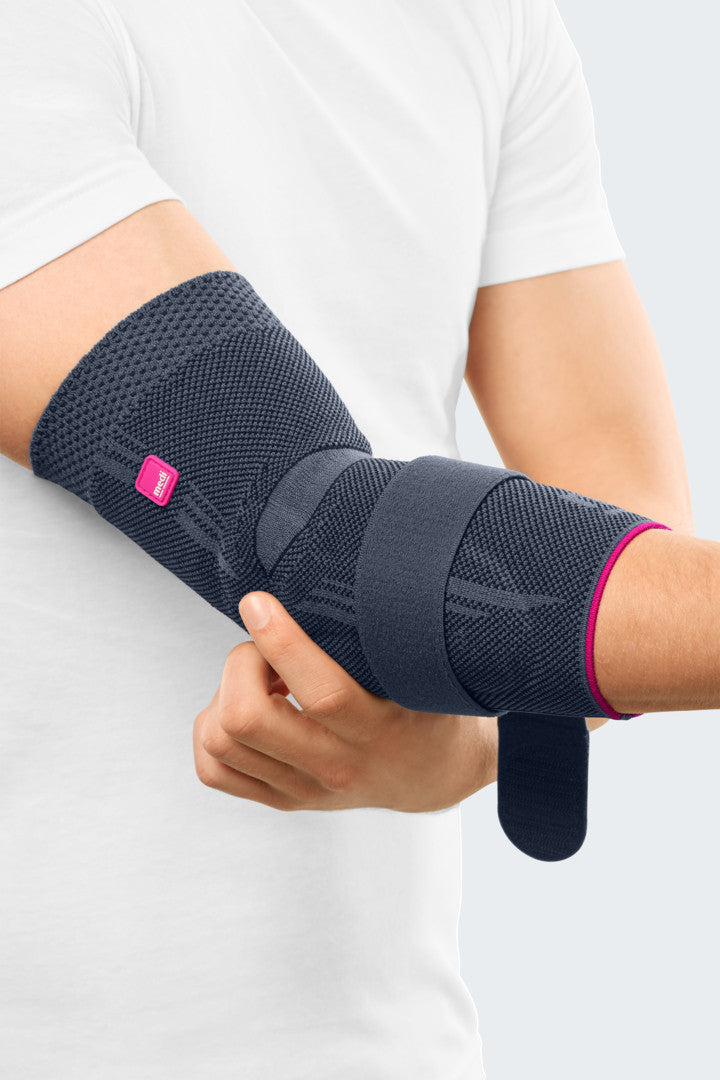
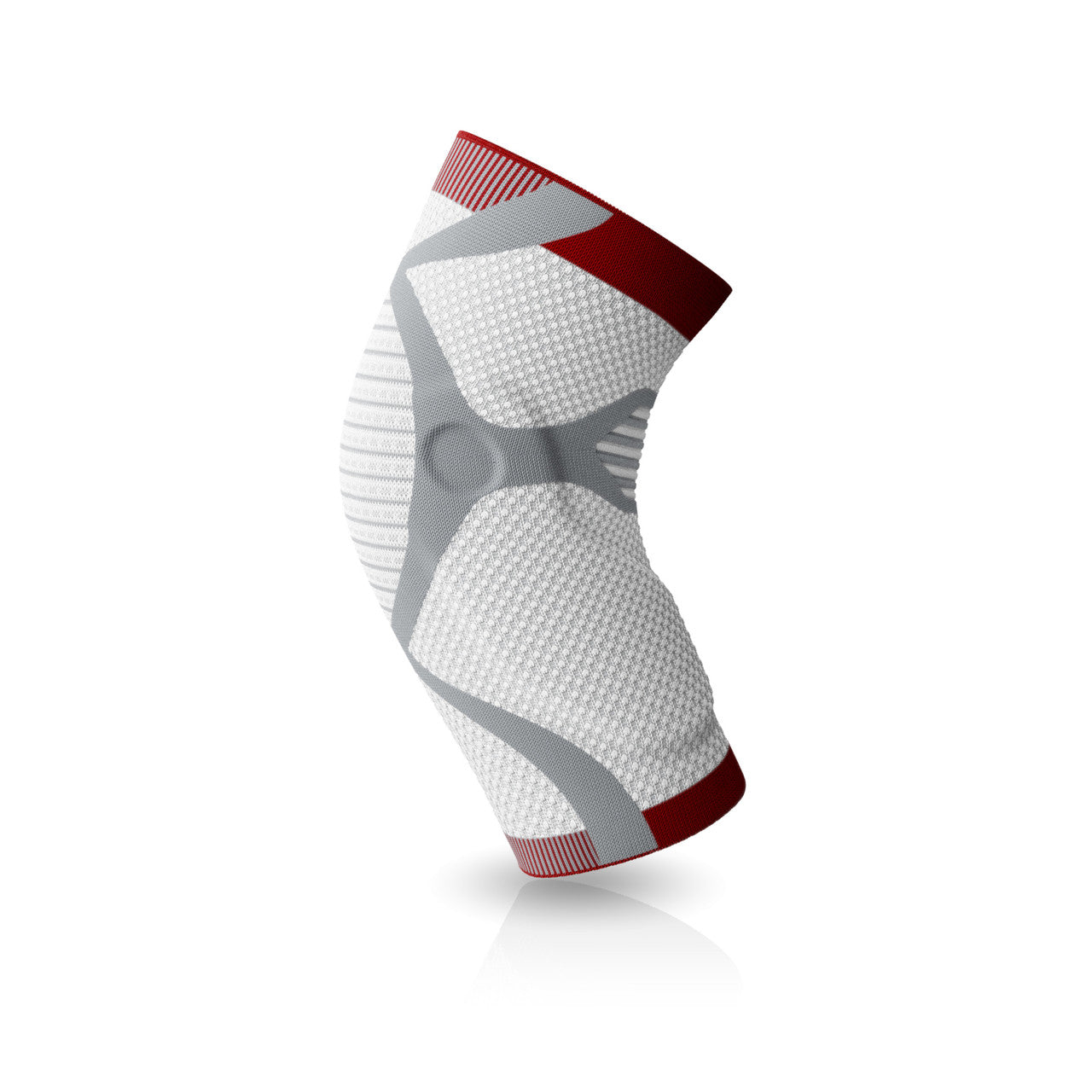
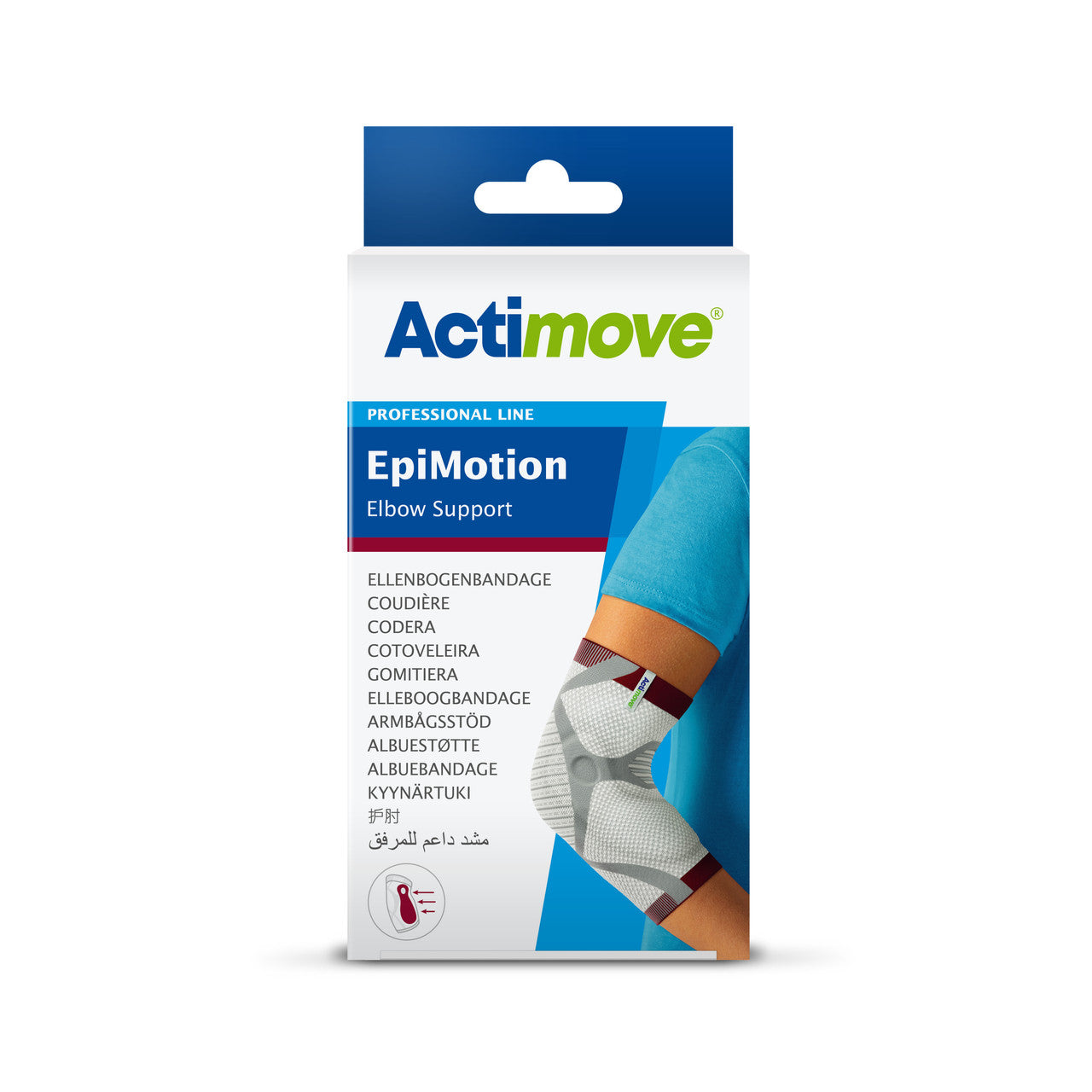
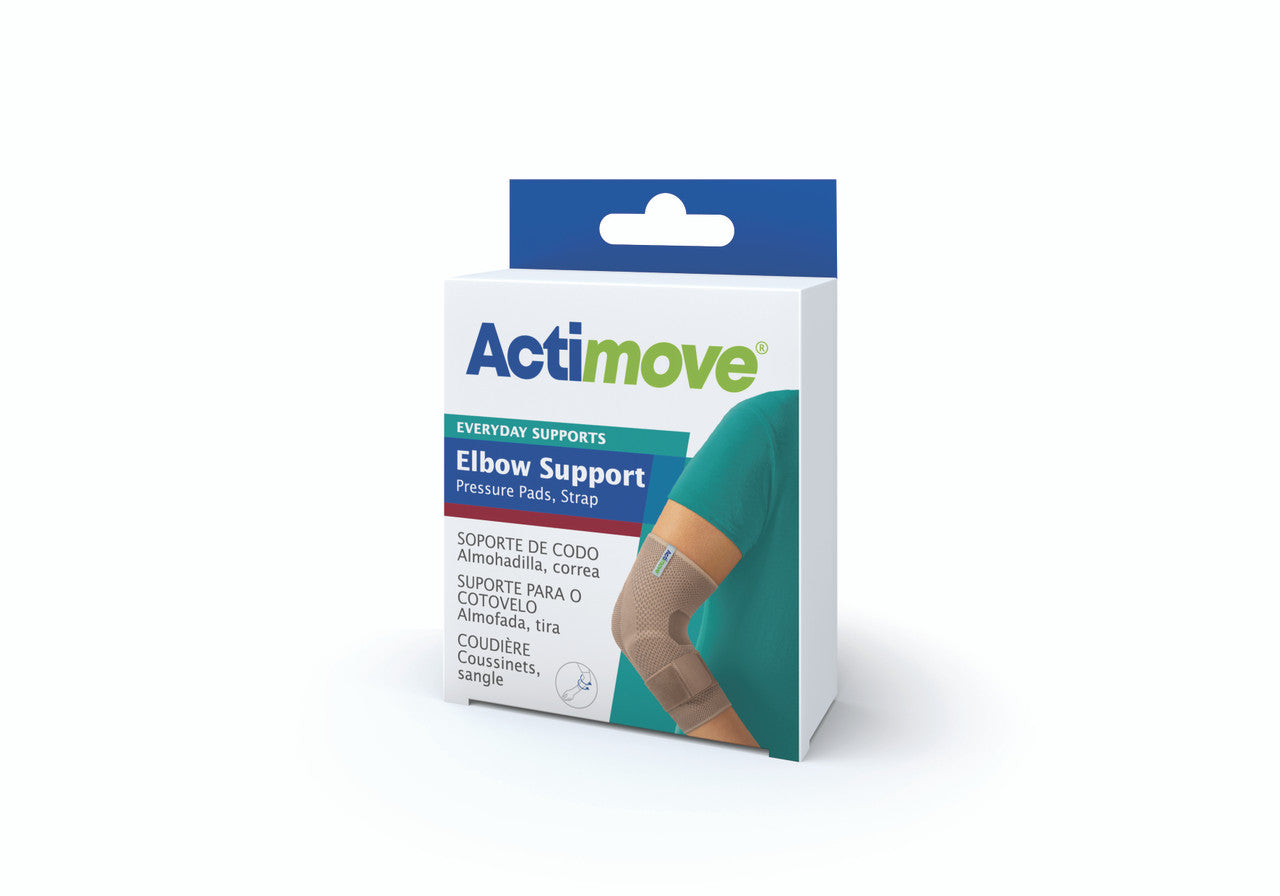
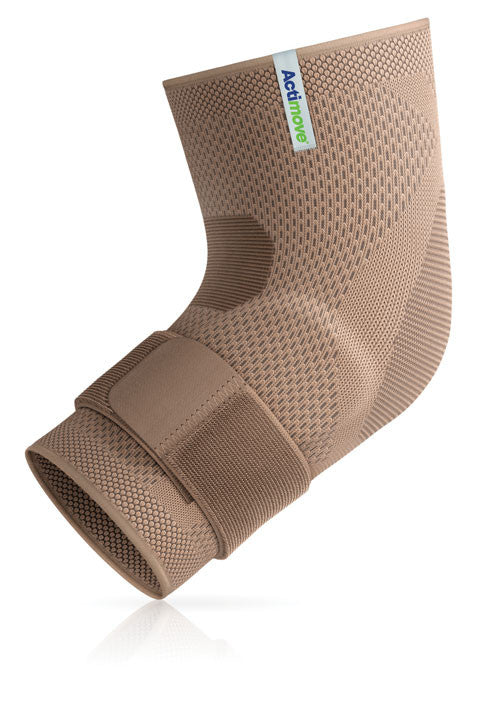
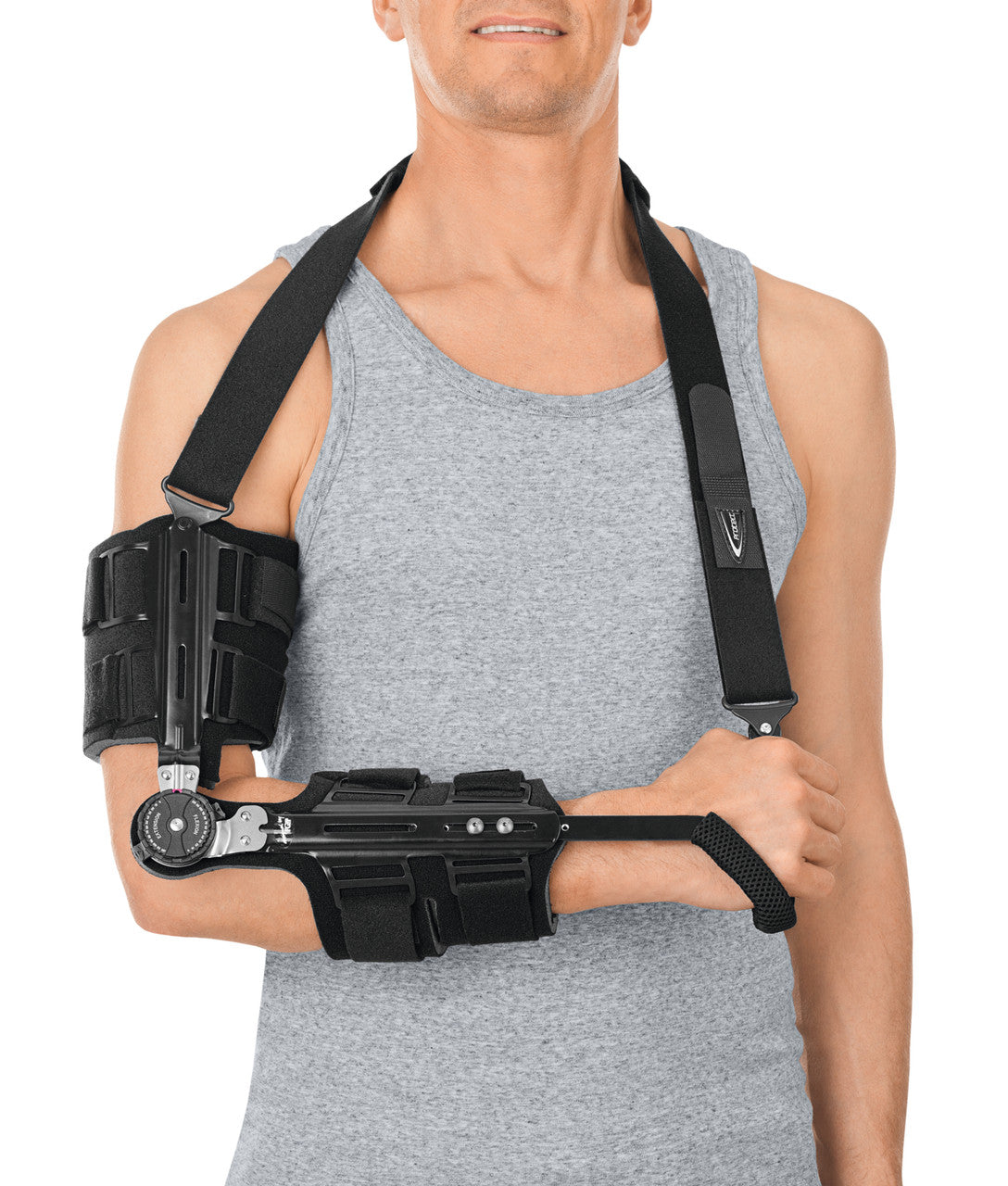
Tennis elbow can make even simple movements—like lifting a mug or turning a doorknob—feel sharp and uncomfortable. Our collection of products for tennis elbow includes straps, sleeves, and braces that apply targeted compression to the forearm and elbow area to reduce strain on irritated tendons. You’ll find options suitable for both day‑to‑day wear and higher‑impact activities such as tennis, golf, or weight training, including medical‑grade designs from brands like Medi. With the right support, many people are able to ease pain, protect the joint, and get back to the activities they enjoy more confidently.
What is the difference between a tennis elbow strap and a compression sleeve?
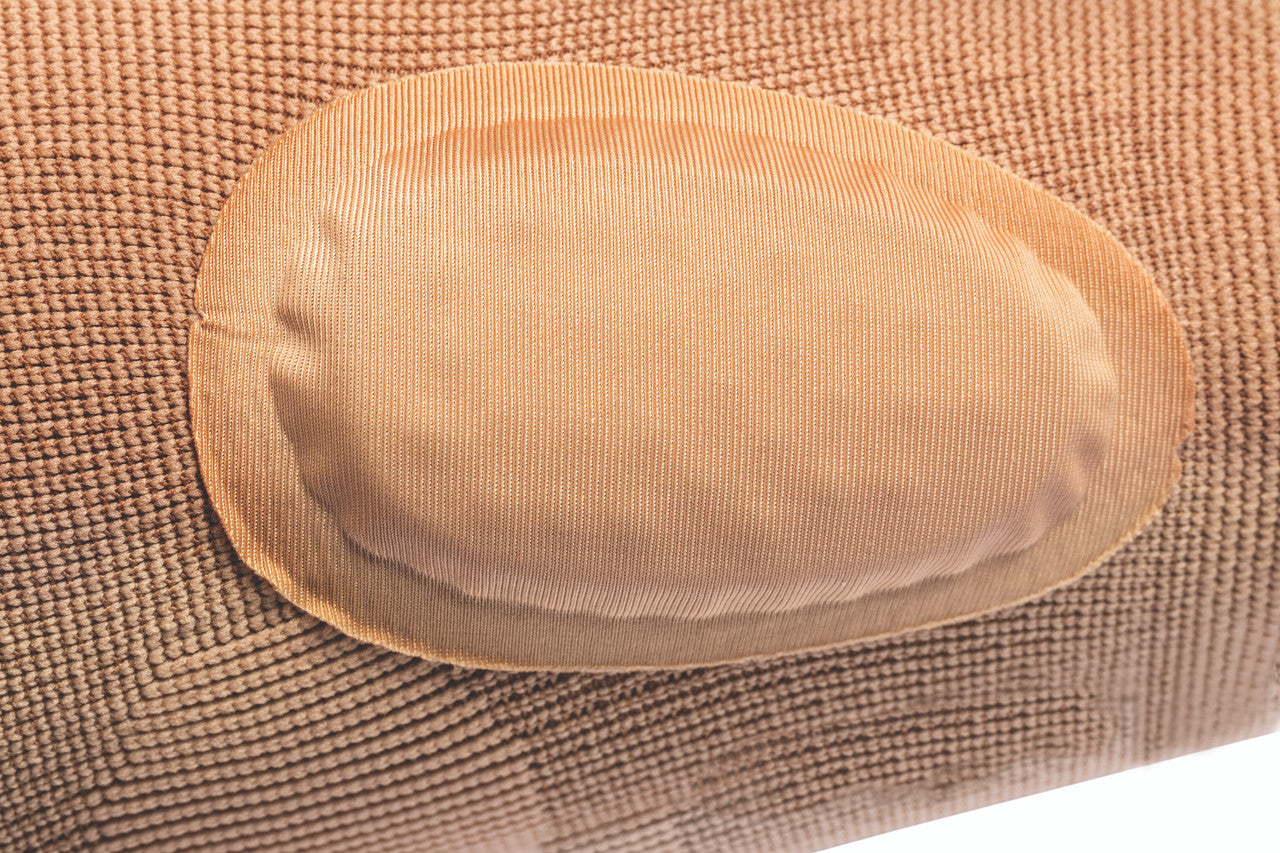
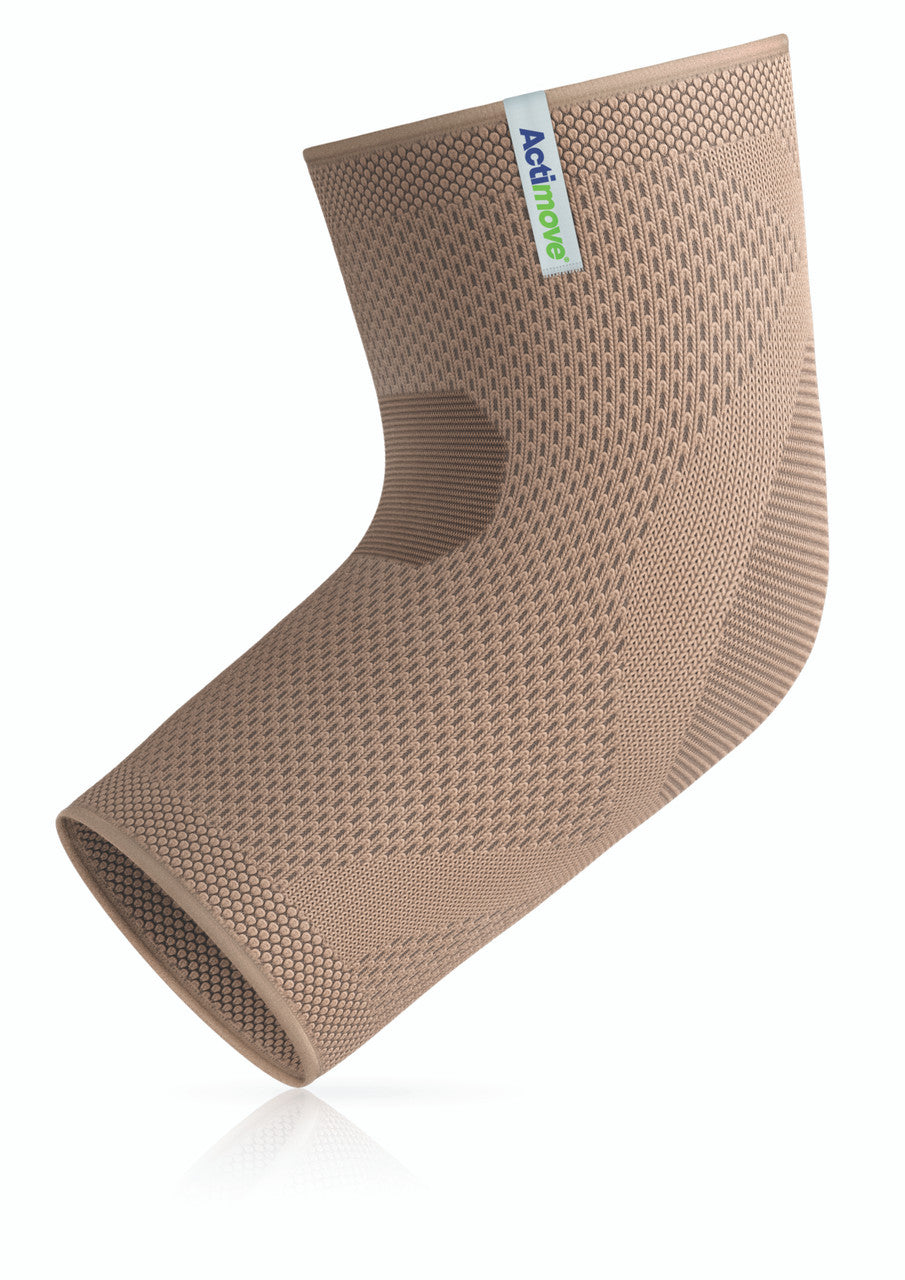
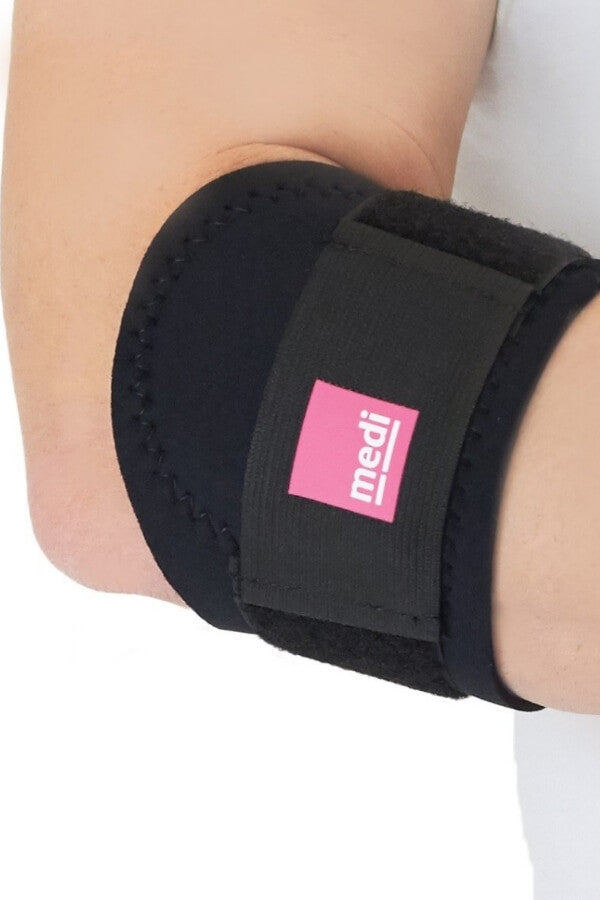
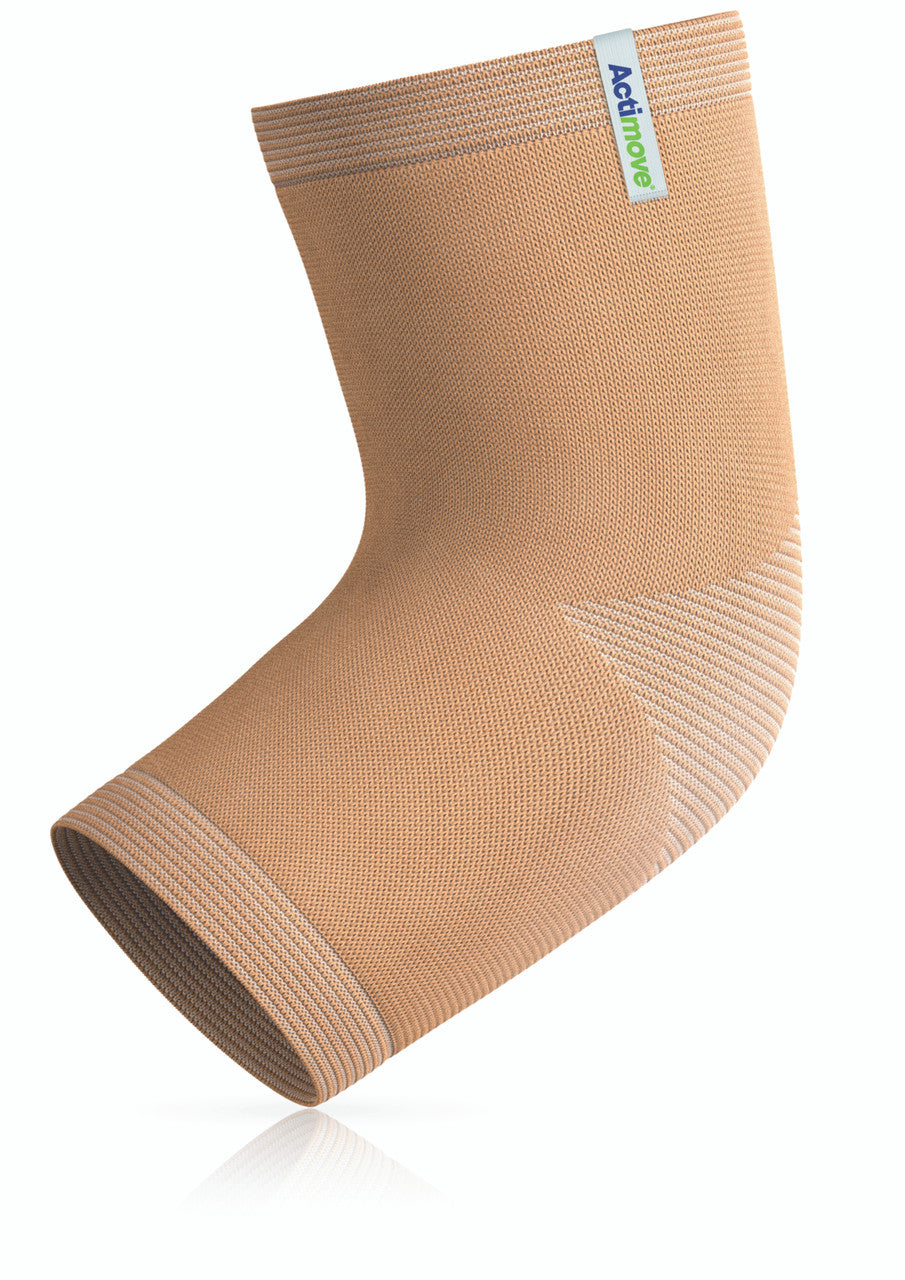
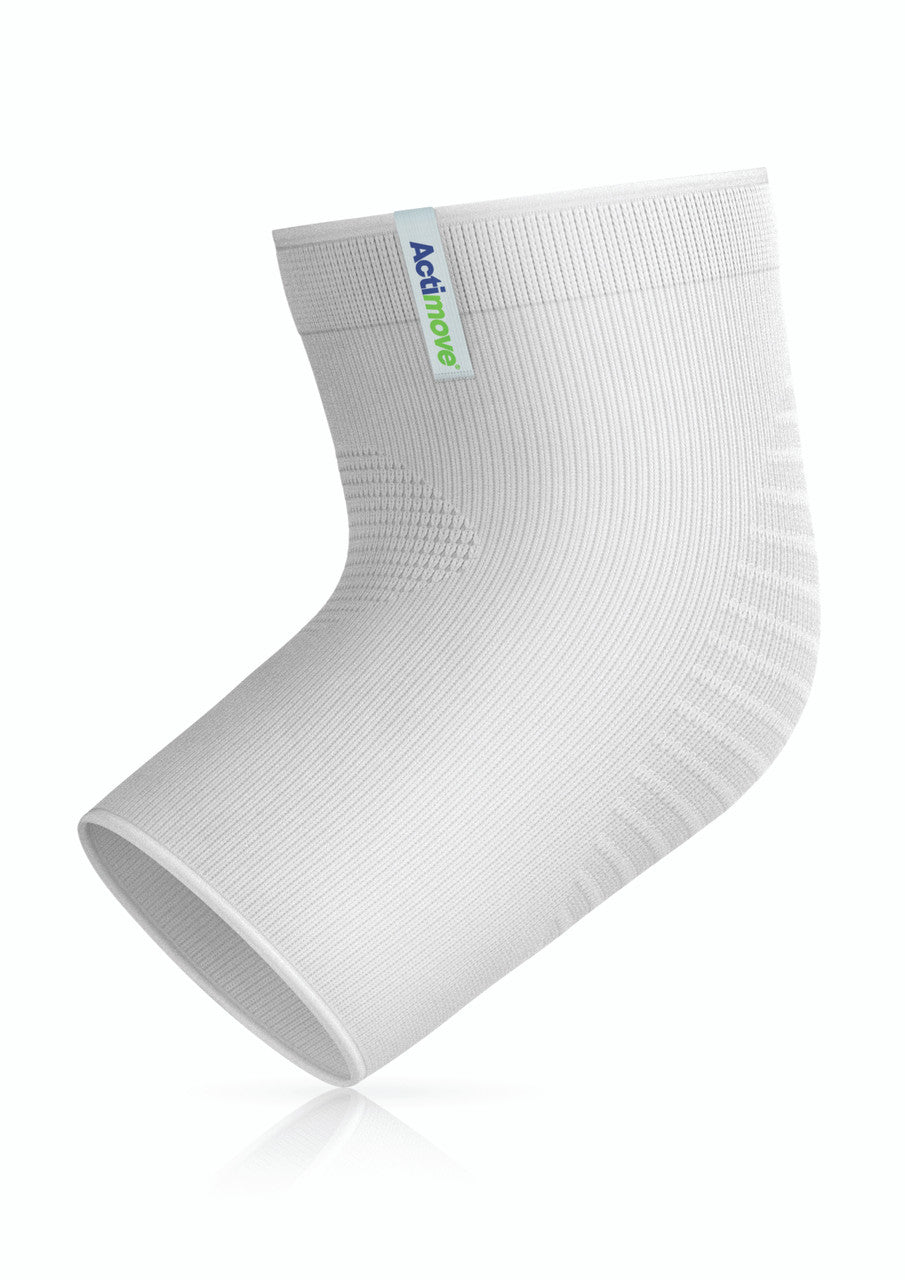
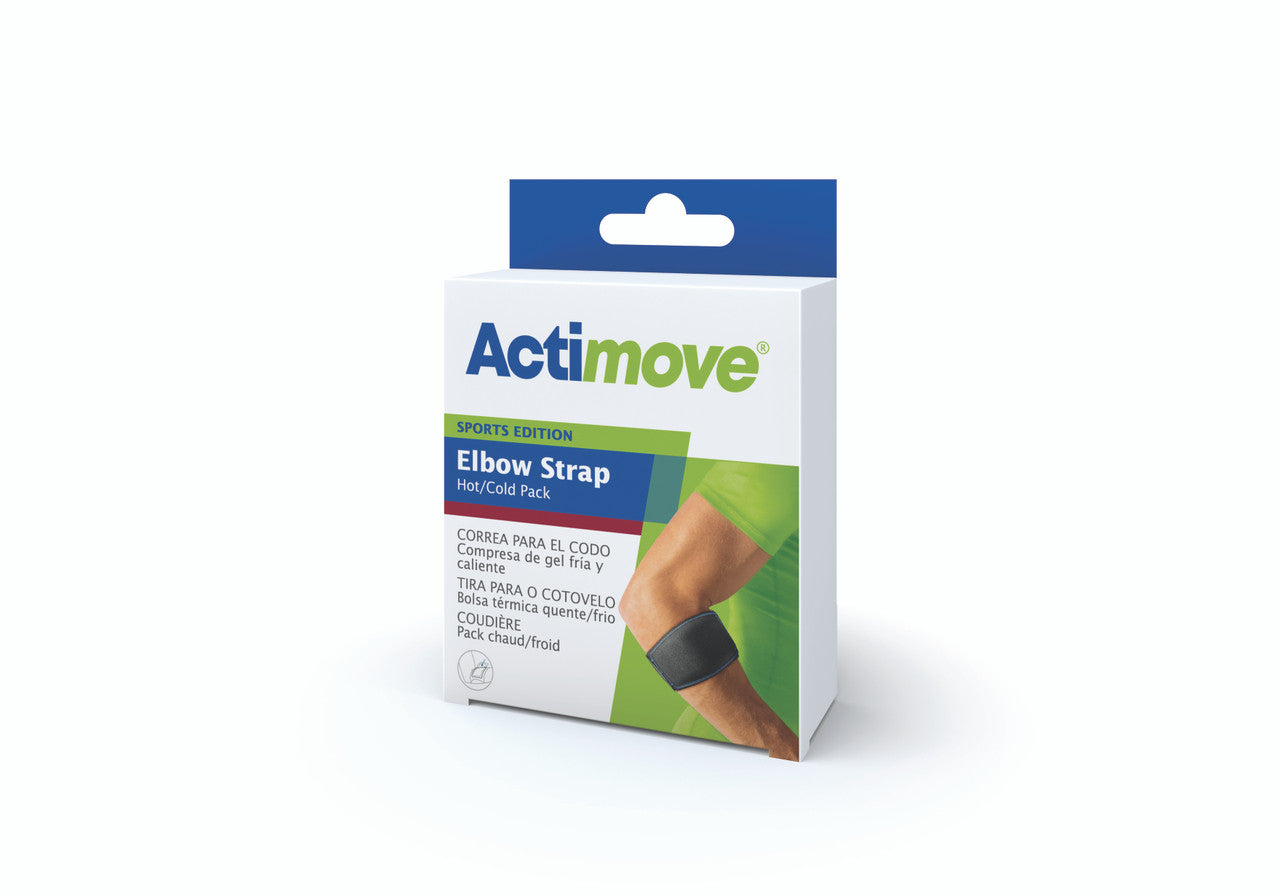
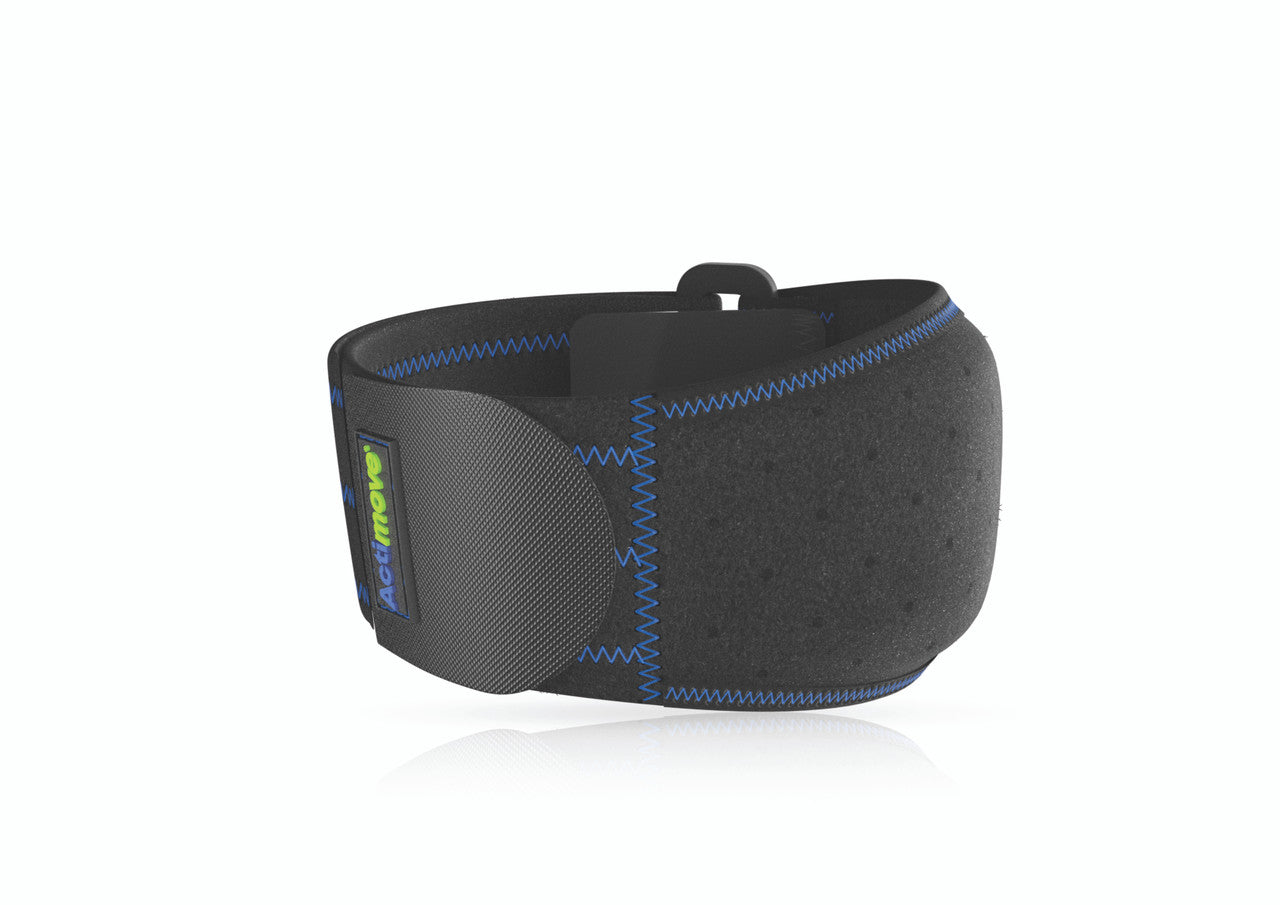
A tennis elbow strap is a small band worn around the forearm just below the elbow, where it applies concentrated pressure to the tendon that’s under stress. This focused compression helps absorb some of the forces that would otherwise travel to the painful area, making it ideal for use during repetitive activities. A compression sleeve, on the other hand, covers a larger section of the forearm and elbow, providing more general support, warmth, and improved circulation. Many people use a strap during sports for pinpoint relief and a sleeve for longer periods of wear, such as working at a desk or doing light chores.
How do I correctly position a tennis elbow strap for maximum relief?
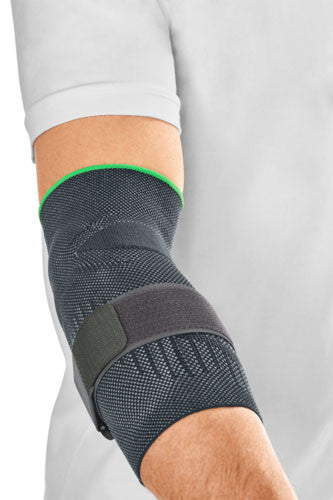
To position a tennis elbow strap properly, first locate the most tender spot on the outside of your elbow. Place the strap about one to two inches (roughly two to five centimeters) below that point, wrapping it around the thickest part of your forearm muscle. Tighten the strap so you feel firm pressure but not pain—you should still be able to slide a finger under the band. When you grip or lift an object, the strap should feel supportive and slightly reduce the tension at the elbow itself. If pain worsens or your hand begins to tingle or feel numb, loosen the strap and re‑adjust until it feels secure but comfortable.
Can I wear a tennis elbow brace or sleeve while sleeping?
In most cases, rigid straps or tightly fastened braces are not recommended for overnight wear, because localized pressure can restrict circulation when your arm stays in one position for a long time. If your clinician suggests nighttime support, a soft compression sleeve is usually a better option than a strap, as it provides gentle, even compression rather than a single pressure point. A lightweight elbow sleeve can help keep the joint warm and supported without digging into the skin while you sleep. Always follow your healthcare provider’s advice about nighttime use, since the best approach depends on the severity and cause of your symptoms.
What level of tightness is right for a tennis elbow support?
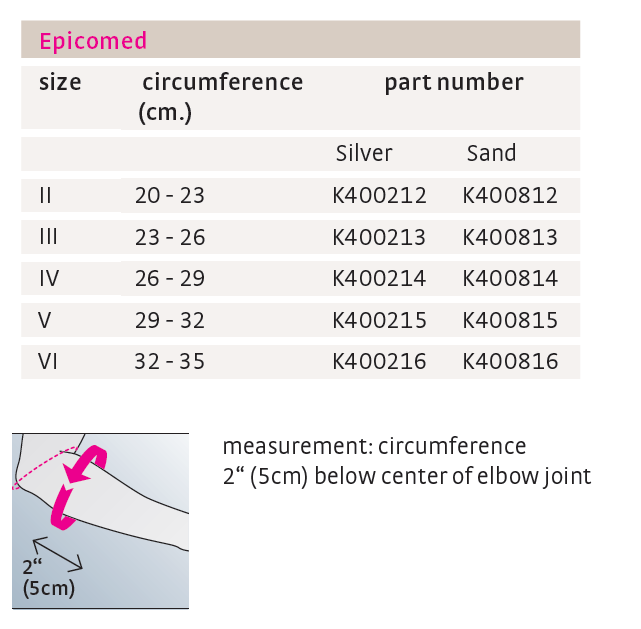
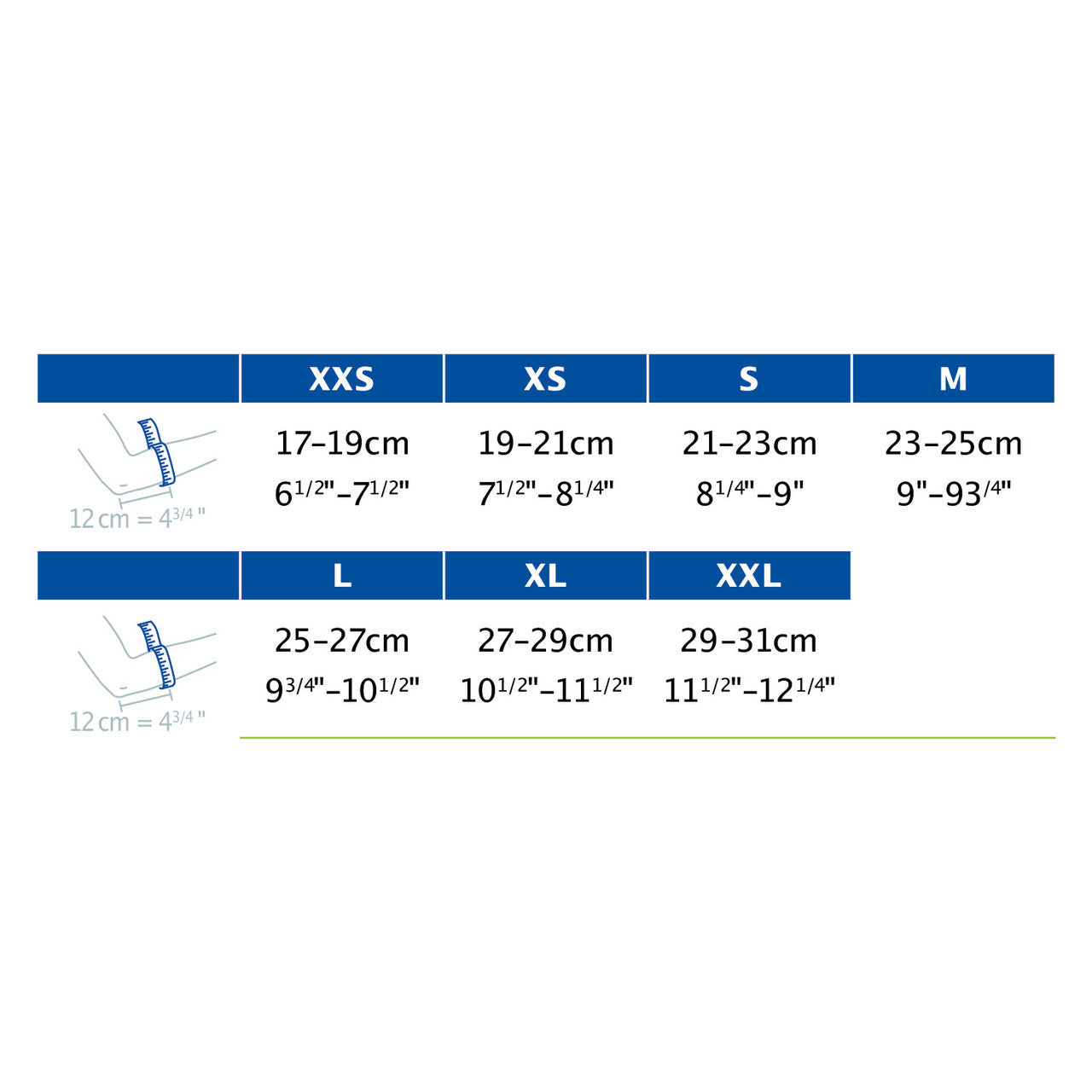
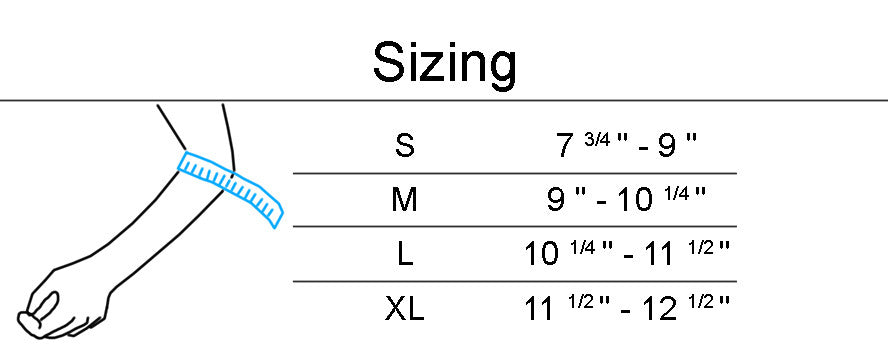
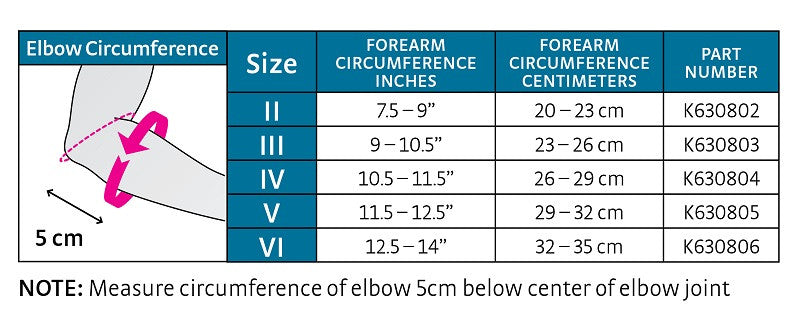
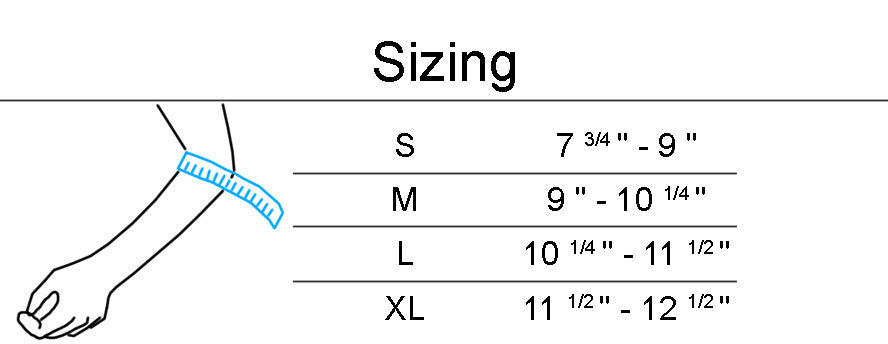
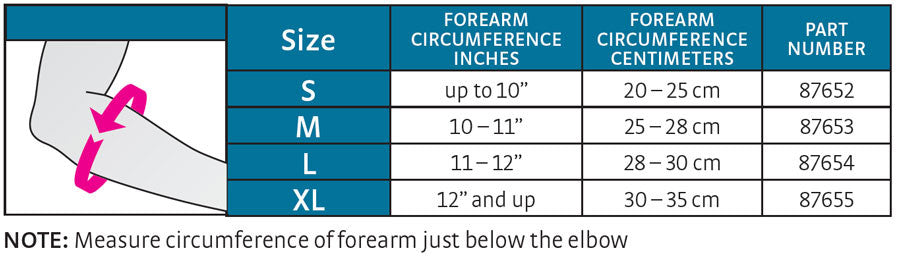
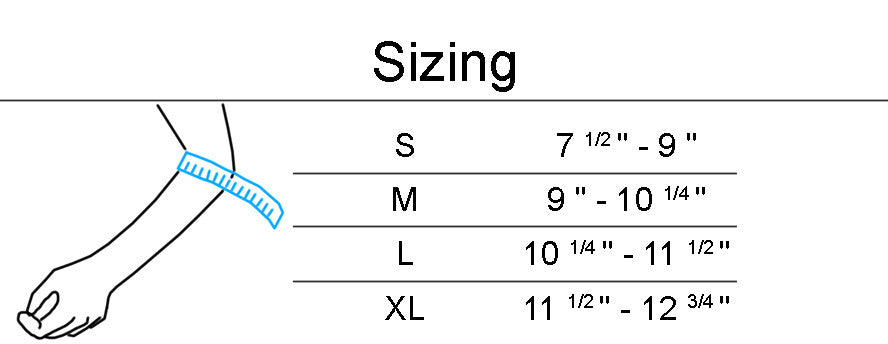
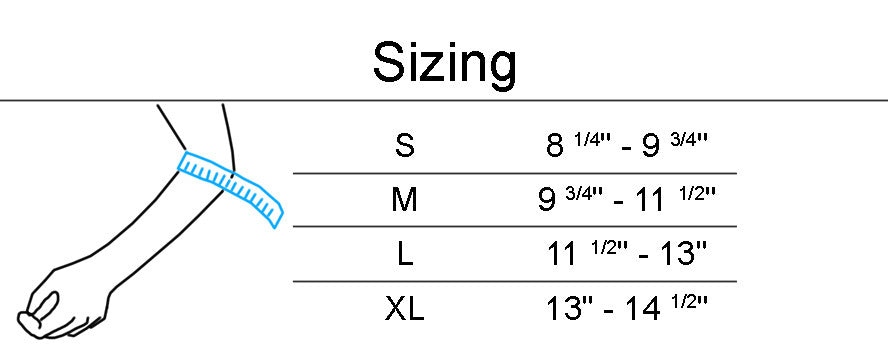
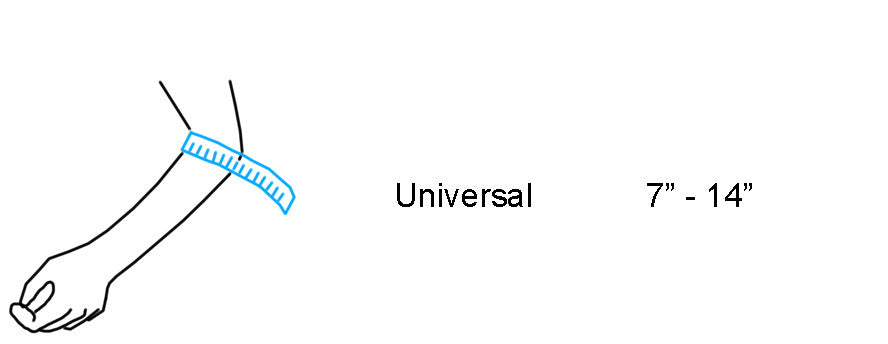
The ideal tightness is “snug but not restrictive.” A tennis elbow strap or sleeve should feel like a firm handshake—noticeable support that doesn’t cause pain, pinching, or color changes in the skin. If you’re using a strap, fasten it so that it stays in place during movement and you feel a slight reduction in pain when gripping or lifting, but stop tightening before you feel throbbing or numbness. For sleeves, choose a size based on accurate forearm and biceps measurements rather than going down a size for extra compression. If you notice swelling above or below the support, or your fingers feel cold or tingly, the device is too tight and should be adjusted immediately.
Will compression products help with tennis elbow during sports and exercise?
Yes, many people find that the right combination of strap and sleeve helps them continue sports and exercise with less discomfort while their elbow heals. A strap can offload stress from irritated tendons during gripping, swinging, or lifting motions, while a sleeve provides overall stability and warmth to the muscles and joints. Together with proper warm‑up and technique, these supports can reduce the strain that leads to flare‑ups. For activities that also involve running or extended standing, some athletes also choose compression socks to support circulation throughout the lower body and reduce overall fatigue.
Are there other products that can complement tennis elbow supports?
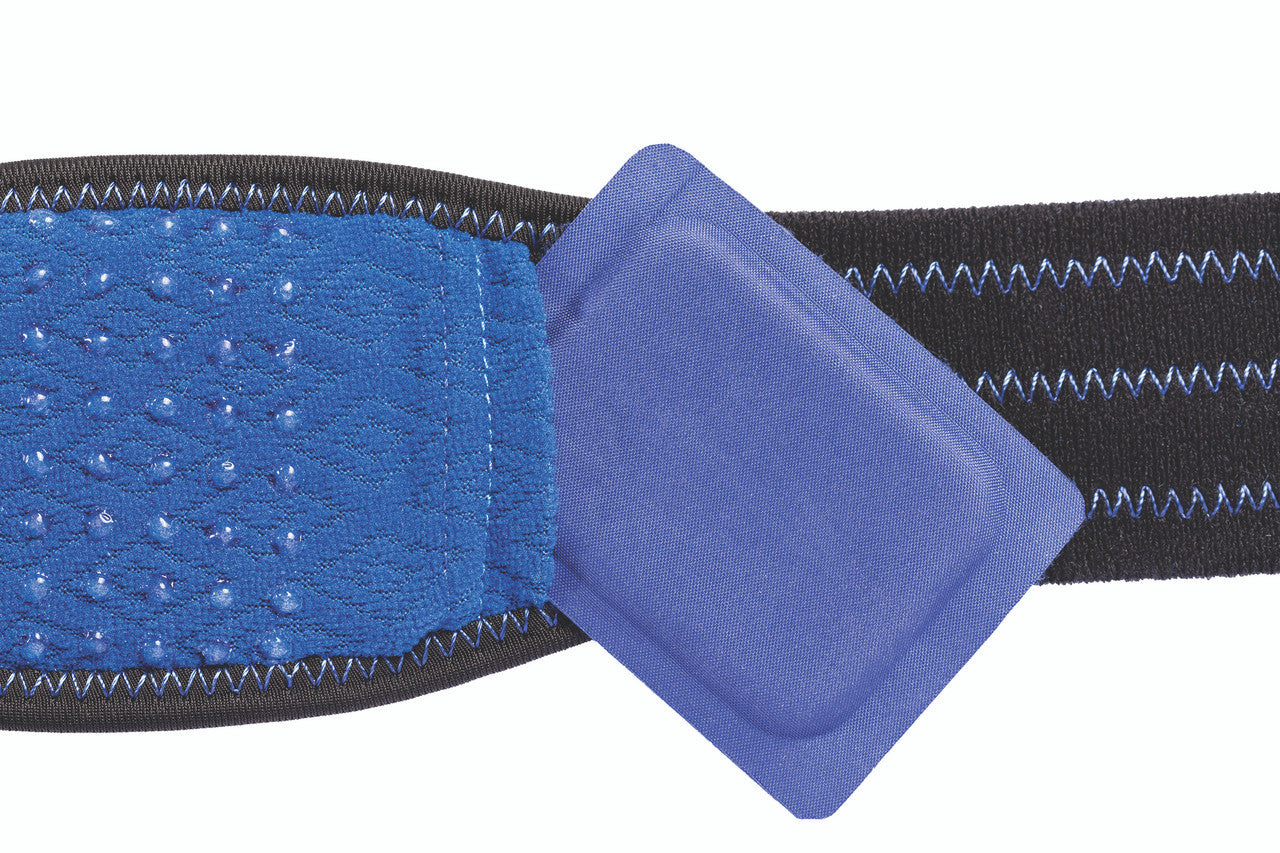
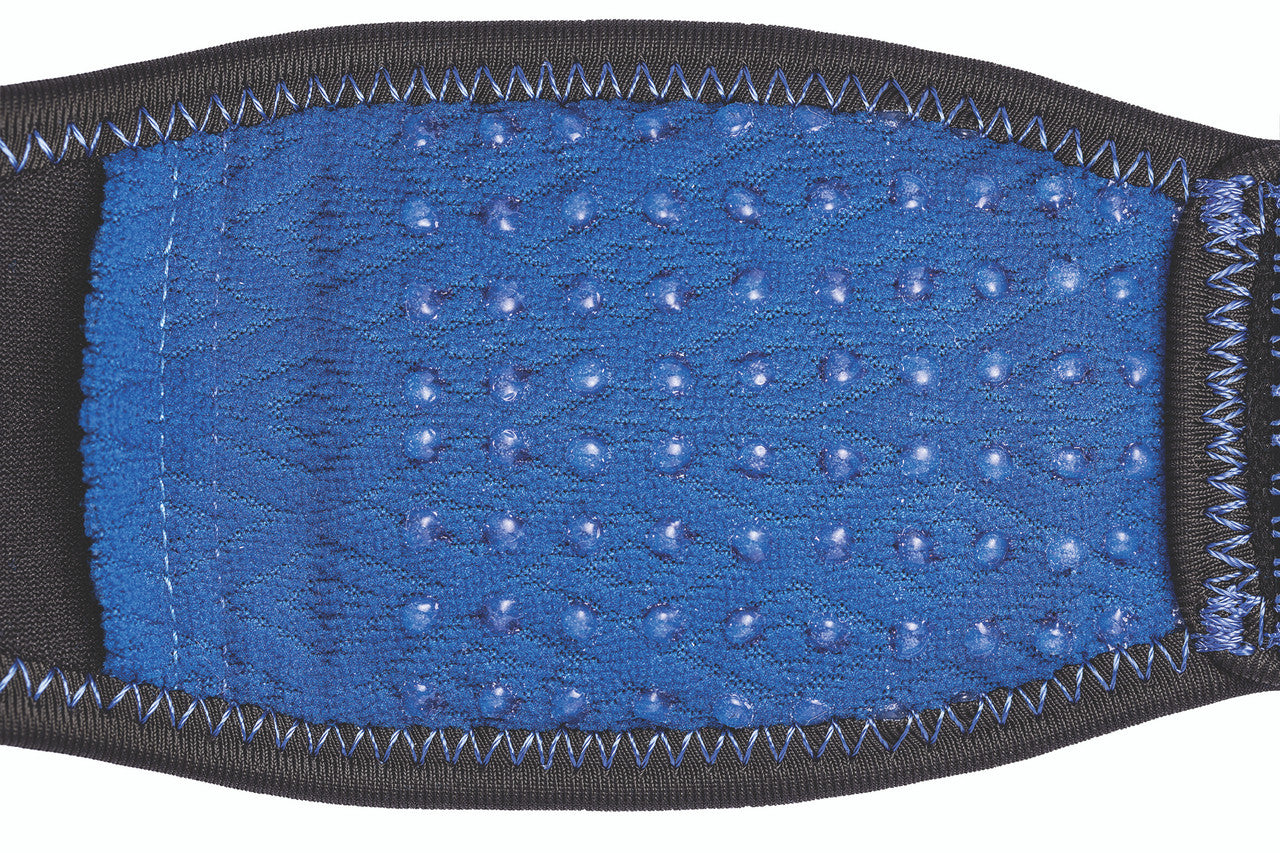
In addition to straps and sleeves, you may benefit from products that support nearby joints and muscles. If your sport or job also stresses your wrist or shoulder, supportive arm braces and sleeves can help create a more complete support system around the entire upper limb. Some people also use cold packs after activity and gentle heat before activity to manage stiffness and soreness. Quality elbow supports are often designed to integrate easily into a broader pain‑management routine that includes stretching and strengthening exercises recommended by your clinician.
Why Shop with Compression Health?
Compression Health curates tennis elbow supports that balance targeted relief with everyday comfort, so you don’t have to guess which products will actually help. Our selection includes straps, sleeves, and braces suitable for both active use and daily wear, as well as related compression sleeves and other upper‑body supports. We focus on clear explanations and practical sizing advice, so you can confidently pick the gear that matches your activity level and symptoms. When you shop with us, you get access to medical‑grade products plus the information you need to use them effectively for long‑term elbow health.